30 October 2026 · 3 min read
How to make a matcha latte at home, step by step
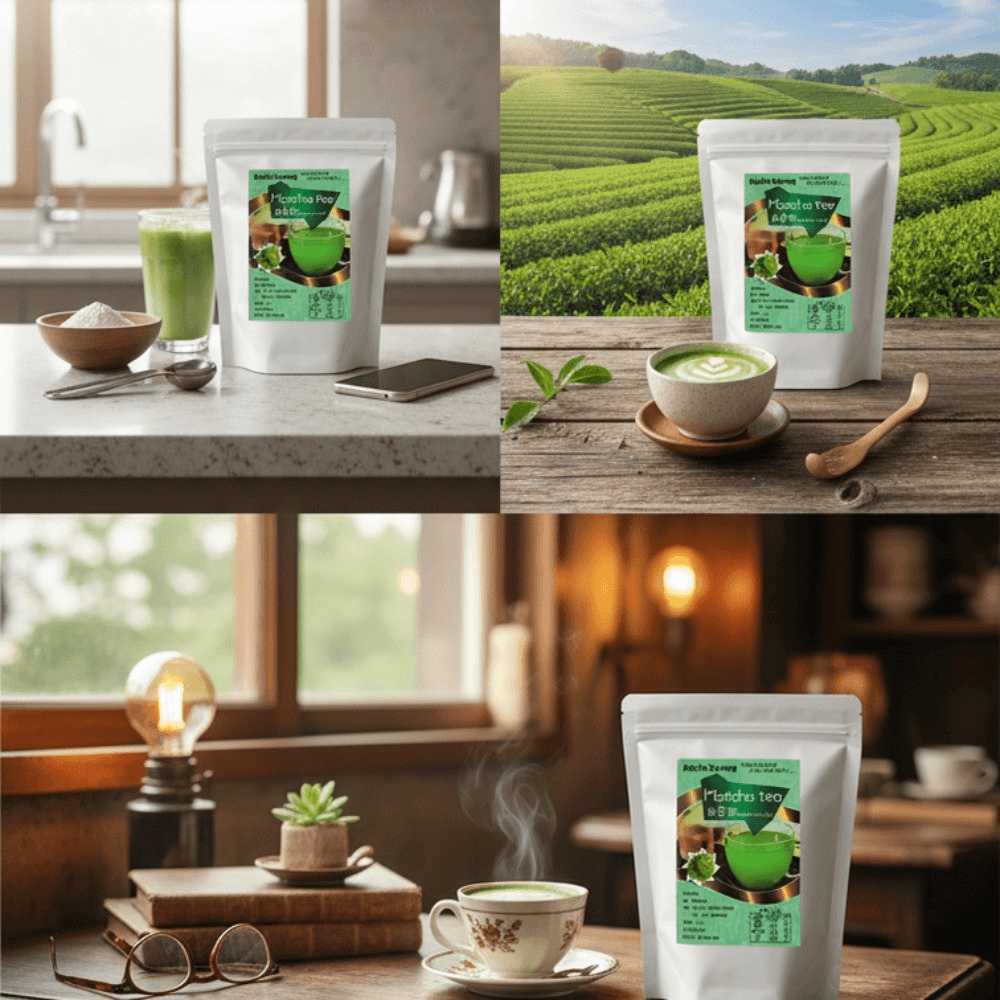
A matcha latte is two steps joined together: a smooth paste of powder and a little warm water, then the milk. Make the paste properly and the rest is just pouring. Skip it, and you get green specks at the bottom of the cup and a thin, grassy taste.
What you need
- A standard bowl of matcha is 2 g of powder, about one level teaspoon. The Organic Matcha Powder 250g is a culinary-to-latte grade, made to sit well with milk and sweetener.
- A fine sifter, so the powder goes in without lumps.
- Water at 70 to 80°C. Not boiling. Just enough to make a thick paste in the bowl.
- A bowl or wide mug, and a bamboo whisk. The Vintage Bamboo Chasen has an 80 to 100 prong cut, which breaks up the paste faster than a spoon or a fork.
- A latte cup's worth of milk. Dairy, oat or soy all steam well.
Step 1: Sift and make the paste
Sift the powder into your bowl. Pour in a small amount of the warm water and whisk in quick, loose strokes, moving the whisk in a W shape from the wrist, until the paste is smooth with a fine foam on top. Then tilt the bowl and look at the bottom: if you can see green grit or dry patches, keep whisking. A smooth paste now saves you from clumps later.
Step 2: Heat and froth the milk
Warm the milk until it is hot to the touch but not boiling. Boiling milk tastes flat and scalds the sweetness out of it. Froth it with a steam wand, a jug frother or a whisk, whichever you have. If you don't want foam, just warm it.
Step 3: Combine
Pour the milk into the paste slowly, so the foam sits on top. If you want it sweet, stir honey, maple syrup or a simple syrup into the paste before the milk goes in. It dissolves far more easily in a small amount of water than in a full cup of cold milk. Taste it once the milk is in, and add more sweetener only if you need it.
Why the paste comes first
Matcha is ground very fine, and it clumps as soon as it touches liquid. Whisking it into a small amount of warm water spreads the powder evenly. Stirring it straight into a full mug of milk leaves green pockets that never fully blend, and the drink tastes thinner than it should. The paste is also the part of the drink that carries the aroma, so it is worth giving it your full attention for those few seconds.
Mistakes that make a flat latte
- Boiling water. It scorches the powder and brings out bitterness. Let the kettle rest after it boils before you pour.
- Skipping the sift. Lumps stay lumps, even with a good whisk.
- Too much powder. Going well past one bowl's worth makes it gritty and bitter rather than stronger in a pleasant way.
- Milk heated too hot. Overheated milk loses its sweetness, so the matcha tastes more bitter by contrast.
- Stirring instead of whisking. A spoon can mix the powder into the water but cannot build the fine foam that gives the drink its texture.
Plant milk
Oat and soy milk both steam and froth well. Oat is a common choice with matcha because its mild, slightly sweet flavour doesn't fight the powder. Almond milk separates more when it is heated, so warm it gently and pour it slowly.
Iced version
If you want it cold, the paste method works the same way: whisk the matcha with a little warm water first, then pour it over ice and cold milk. Cold milk doesn't need steaming, so the paste is the only step that needs care. For a full iced routine, see how to make iced matcha at home.
Choosing the powder
For milk drinks, a culinary-to-latte grade is the practical choice, because milk and sweetener soften the difference between grades. If you want to taste matcha on its own, read which matcha is best for a latte and ceremonial vs culinary matcha.
A quick check before you drink
A good latte has a smooth, even green colour with no specks, a fine foam on top, and a grassy, slightly sweet smell. If it looks murky, tastes bitter, or has grit at the bottom, go back through the list above. Almost every problem traces back to the paste or the water temperature.
Written by the MIRUKII team. Drafted with AI assistance and checked against our product catalogue.
Common questions
What matcha is best for a latte?+
A culinary-to-latte grade, such as our Organic Matcha Powder 250g, is made for milk and sweetener. Ceremonial grade also works, but milk hides much of the difference between grades.
Why is my matcha latte bitter?+
Usually the water was too hot or the milk was boiled. Use water at 70 to 80 degrees C, keep the milk hot but not boiling, and sift the powder before you whisk.
Can I make a matcha latte without a whisk?+
A handheld frother or shaker bottle can mix it, but the paste is usually less smooth. A bamboo chasen gives the most even result.
Can I use oat milk?+
Yes. Oat milk steams and froths well and has a mild flavour that suits matcha.
More matcha guides
The matcha tools for this ritual
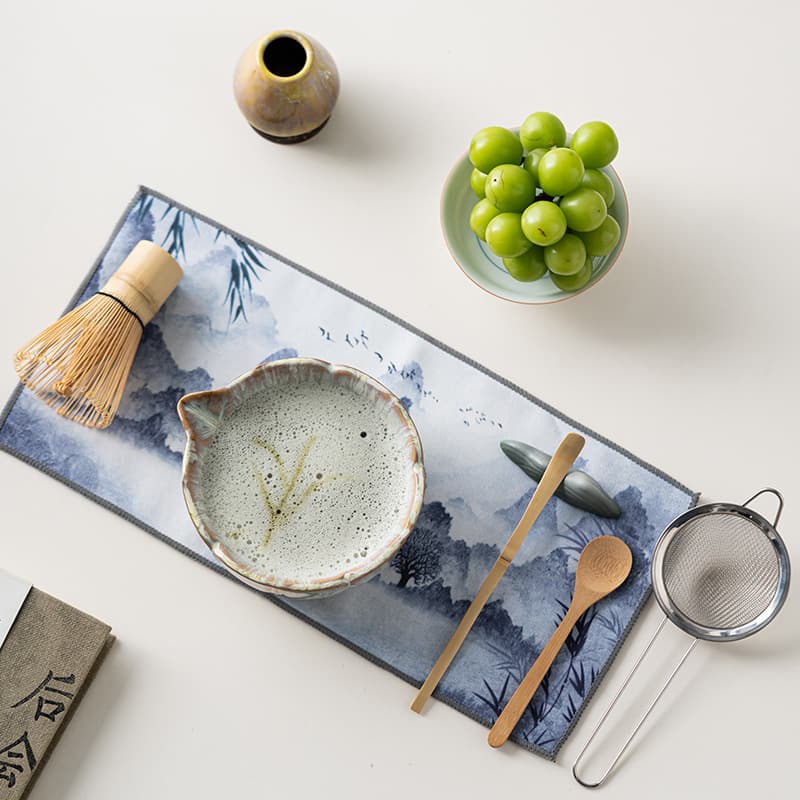
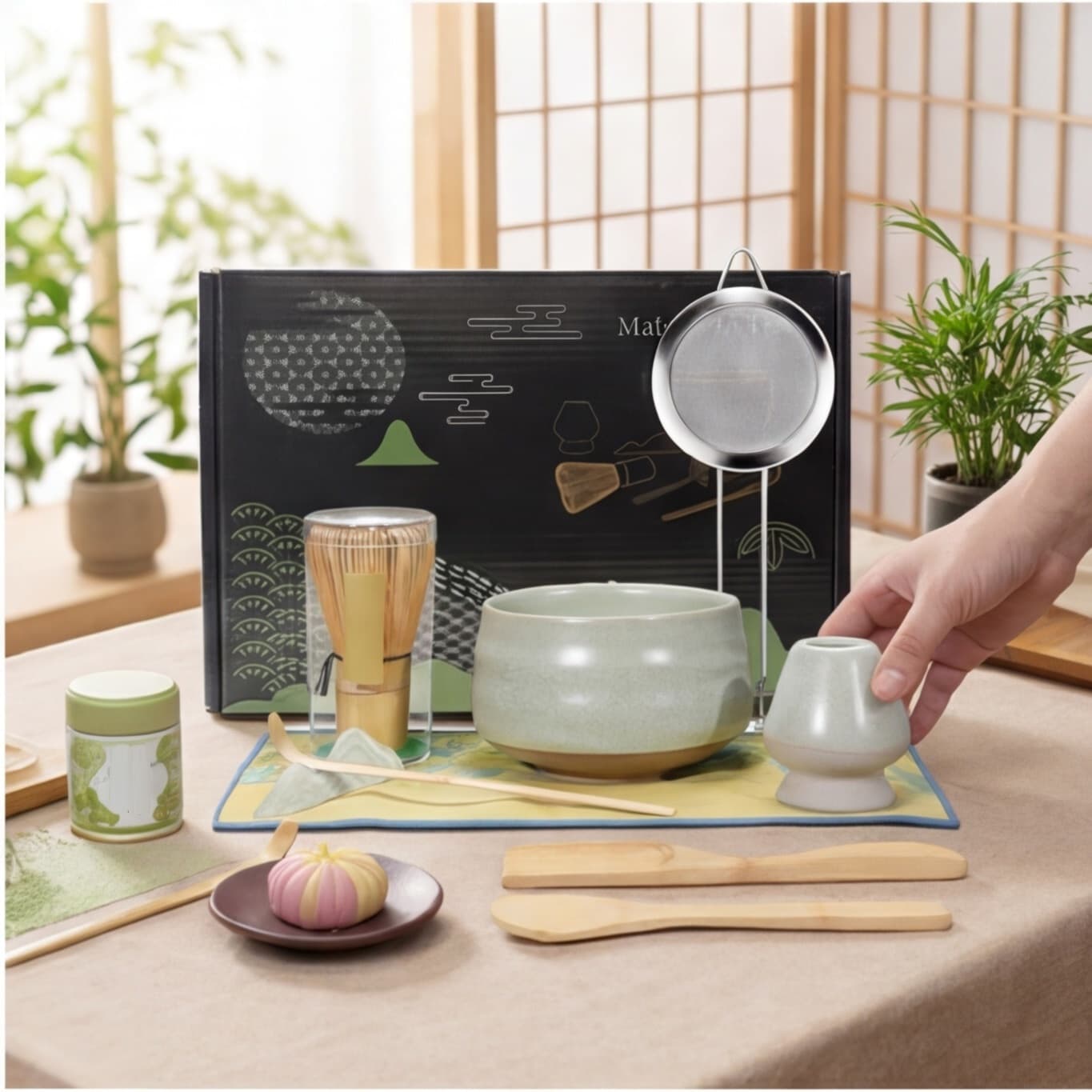
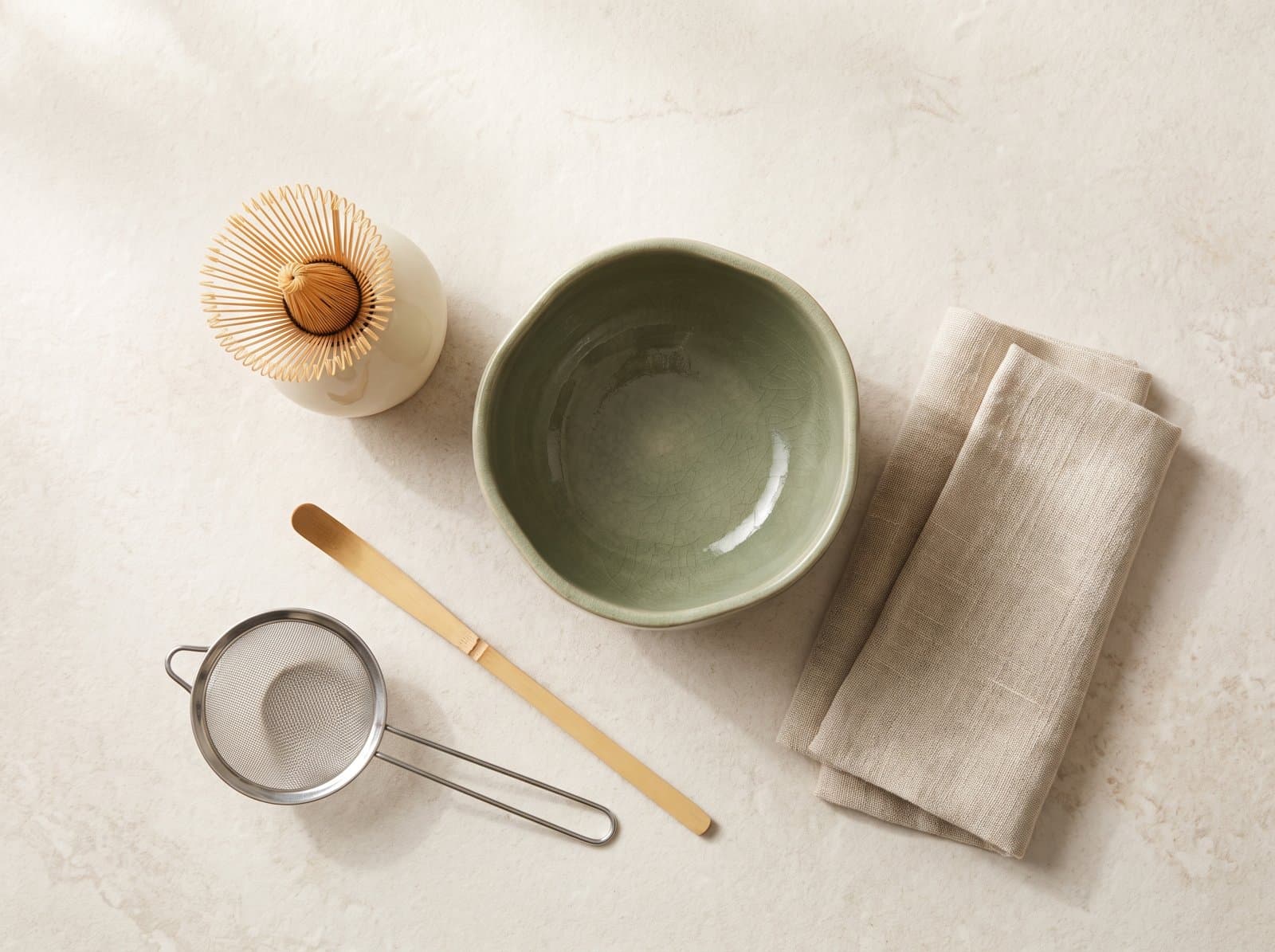
Everything the matcha ritual asks for.
Bowl, whisk, scoop, sifter, and rest — photographed exactly as they arrive.