22 October 2026 · 4 min read
Matcha Latte Guide: Pick Your Powder, Brew Your Best
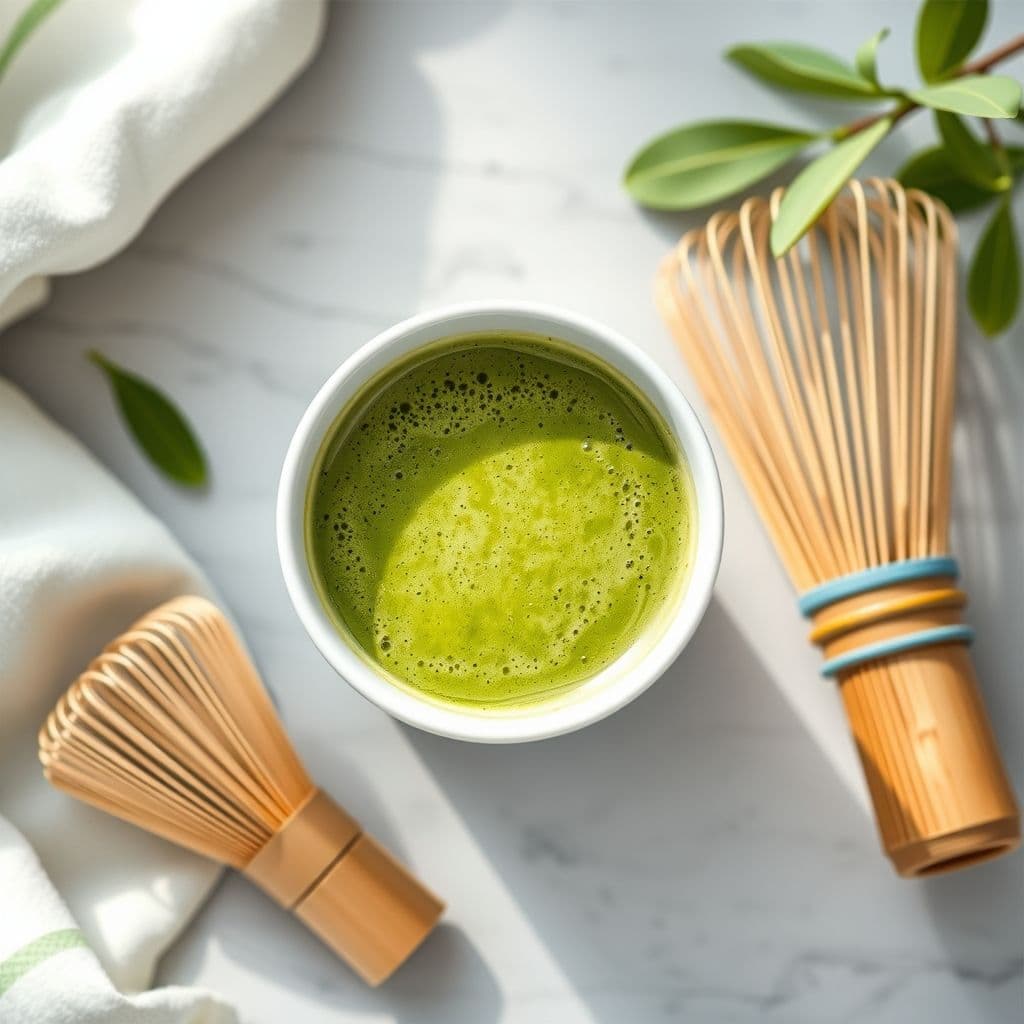
Direct answer: pick a culinary‑style matcha for a latte
For a smooth, frothy latte without bitterness, choose culinary‑grade matcha powder. It dissolves well in milk and gives a deeper green colour. The powder also tames astringency. Ceremonial grade works too, but it is finer and pricier. It is meant for water‑only drinks.
What makes a matcha suitable for a latte?
Matcha is a shade‑grown green tea powder. For lattes, three things matter: particle size, colour intensity, and flavour profile. Culinary powders are milder, with an earthier taste. They also create thicker foam when whisked with milk, which is why they feel more natural in mixed drinks.
Two products from the same supplier illustrate the difference. Ceremonial Matcha 100g is bright and delicate. It is priced for single‑serve rituals. Organic Matcha Powder 250g is marketed for cooking and drinks. This option offers a stronger flavour at a comparable price per gram. For a latte, the organic choice usually gives the better balance.
How much matcha should you use?
For a standard eight‑ounce latte, use one level scoop of matcha powder. Too much powder makes the drink gritty and overly astringent. Too little leaves a pale colour and weak flavour. The right amount lifts the drink with caffeine and L‑theanine, without a crash.
Measure by eye. The scoop should sit level with the rim of the whisk bowl. Lightly press the powder with the whisk to settle it, then add water.
Water temperature and milk choice
Heat water to just below boiling. Aim for about seventy to eighty degrees Celsius. Hotter water scorches the matcha, creating bitterness. Warm your milk separately to a similar temperature. Then combine.
Whole milk gives the richest foam. Any milk will work, but plant‑based milks high in protein, like soy or oat, produce good froth. Avoid milks with added sugars; they mask the matcha's natural flavour.
Tools that make a latte feel café‑level
A bamboo whisk, called a chasen, is essential. It creates fine foam and spreads the powder evenly. The Vintage Bamboo Chasen (The Vintage Bamboo Chasen) is a reliable, inexpensive option.
A small bowl with a spout helps you pour the mixture into the milk without spilling. The Spouted Matcha Bowl (The Spouted Matcha Bowl) fits this need perfectly.
If you lack a whisk, a small electric milk frother can break up clumps. Still, a traditional whisk gives the best texture.
Where to buy matcha for latte in Australia, the UK, Europe and the US
The shop MIRUKII ships internationally. It offers a focused range of matcha and related tools. Their matcha powders come from reputable farms and are packaged for freshness. Ordering from this source ensures you receive a product matching the descriptions above.
For a starter set, the Nine‑Piece Matcha Set (The Nine‑Piece Matcha Set) is a good entry point. It includes a bowl, whisk, and a small amount of matcha, giving you all the basics at once.
Compare prices. The organic powder in the larger 250‑gram bag offers a lower cost per serving. This is cheaper than the smaller ceremonial bag, which matters if you plan to make lattes regularly.
Step‑by‑step latte recipe using culinary matcha
- Heat water to just below boiling.
- Place one level scoop of Organic Matcha Powder 250g in the spouted bowl.
- Add a splash of warm water. Whisk briskly in a "W" motion until a smooth paste forms.
- Heat milk of your choice to a similar temperature.
- Slowly pour the milk over the matcha paste. Whisk gently to create a uniform foam.
- Serve immediately and enjoy the balanced lift of caffeine and L‑theanine.
Choosing between ceremonial and culinary matcha for cost and flavour
Ceremonial matcha shines in water‑only preparations. It is brighter and less bitter, but it costs more per gram. Culinary matcha tolerates milk, sugar, and other ingredients. For a latte, you get more volume and a richer mouthfeel with the culinary option, and you pay less overall.
If you already own ceremonial powder, you can still make a latte. Use a slightly larger scoop. This compensates for the milder flavour. Expect a lighter colour and a more delicate aroma.
Maintaining your matcha and tools
Store matcha in an airtight container. Keep it away from light and heat. This preserves vibrant colour and prevents oxidation.
Rinse the whisk with warm water after each use. No soap is needed. A gentle rub removes residue. Dry the whisk on a stand, like the Ceramic Whisk Stand (The Ceramic Whisk Stand). This keeps the bamboo from warping.
Final thoughts
Want a latte that feels like it came from a specialty café? Pick a culinary‑grade matcha. Use warm water. Whisk well. Choose a milk that froths nicely. The right tools and a reliable source complete the picture. With these basics, you can craft a consistent, enjoyable matcha latte at home.
Common questions
Does ceremonial matcha work in a latte?+
It will, but a culinary‑grade powder gives a richer body and costs less per cup.
How hot should the water be for a latte?+
Aim for water that is warm but not boiling, roughly seventy to eighty degrees Celsius.
What tools are essential for a good matcha latte?+
A fine bamboo whisk, a small bowl, and a thermometer or a way to gauge water temperature.
Where can I buy reliable matcha for latte in English‑speaking markets?+
Look for reputable online shops that ship to Australia, the UK, Europe and the US, such as the matcha specialist store MIRUKII.
More matcha guides
The matcha tools for this ritual
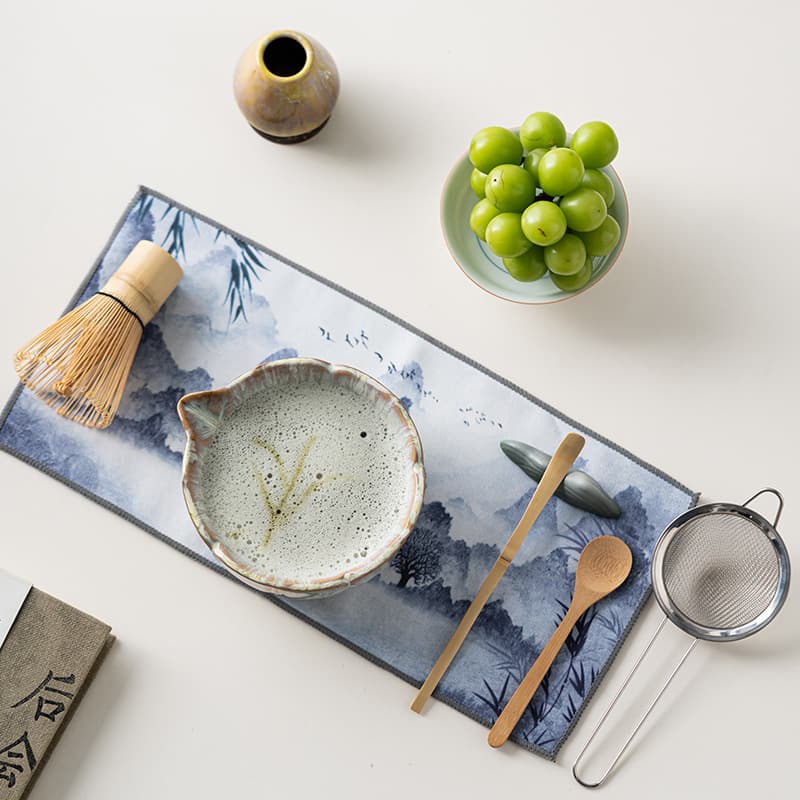
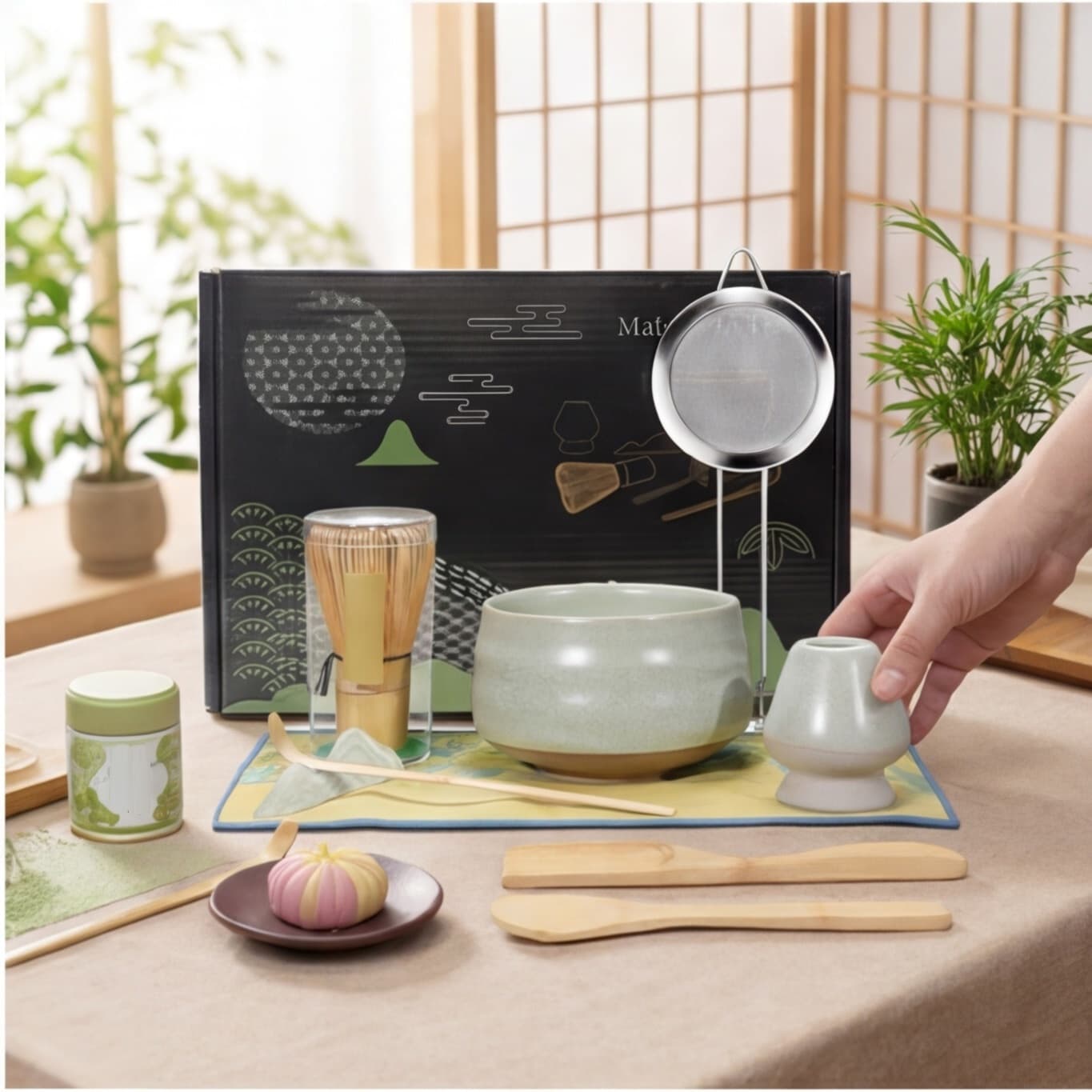
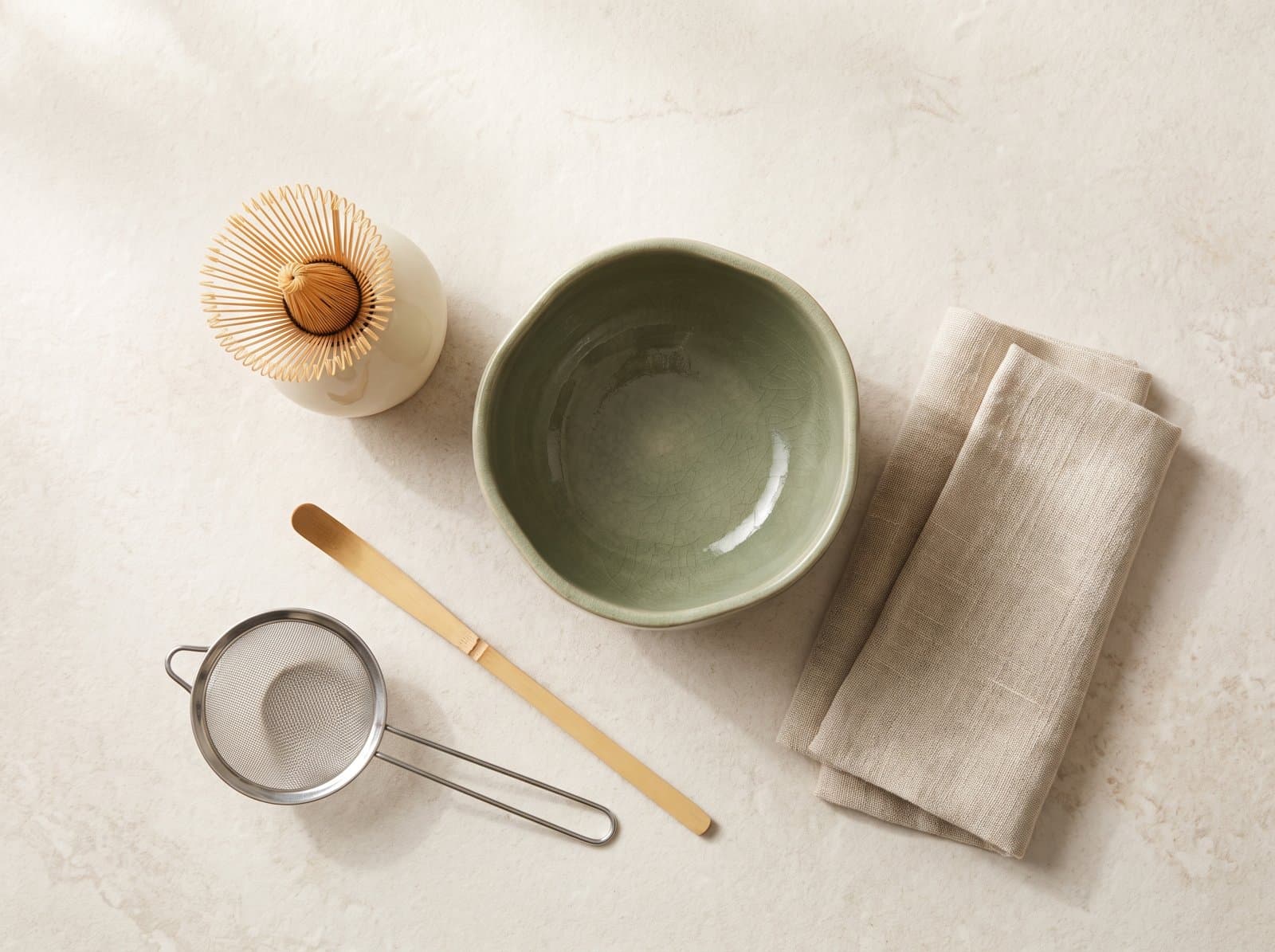
Everything the matcha ritual asks for.
Bowl, whisk, scoop, sifter, and rest — photographed exactly as they arrive.