6 November 2026 · 4 min read
Best Matcha for Lattes on Amazon – Guide & Picks
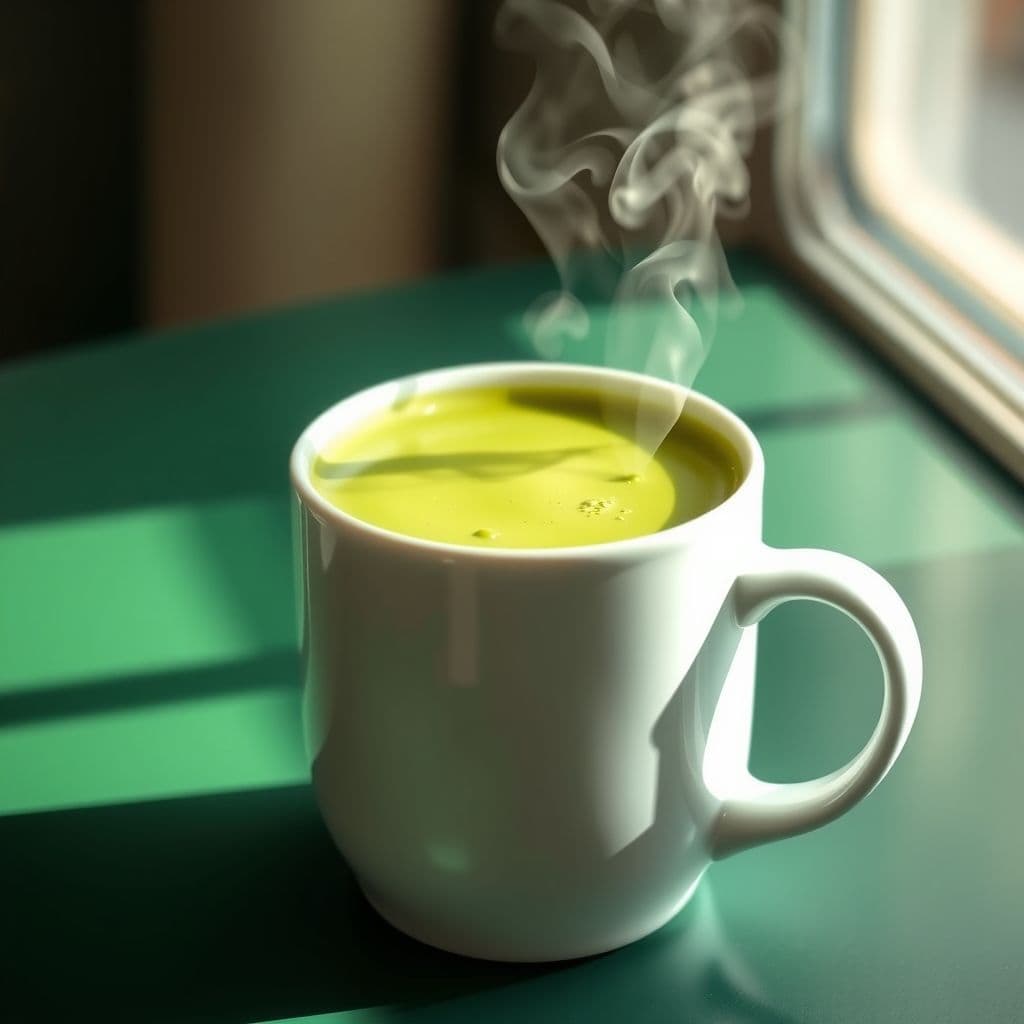
Which Amazon matcha gives the smoothest latte?
The short answer is the Organic Matcha Powder 250g. It balances flavor and cost, and its finer grind blends well with milk. The price is listed at $59.95, which is lower than the ceremonial option.
For those who already own ceremonial grade, the Ceremonial Matcha 100g will also work, but the $54.95 tag reflects a product aimed at tea‑ceremony rather than coffee‑style drinks. The extra cost is justified only if you value the bright, vegetal notes that ceremonial matcha provides.
Why matcha works in a latte
Matcha brings a natural earthiness that pairs nicely with the creaminess of milk. The bright green hue adds visual appeal, while the fine powder creates a velvety mouthfeel. When the powder dissolves fully, it prevents the gritty texture you sometimes get with other green teas.
How do I know if a matcha is right for a latte?
First, check that the powder is shade‑grown green tea. That tells you the chlorophyll level is high and the taste will be less bitter. Look for a vivid green color and a fine, silky texture. Those signs usually mean the powder will dissolve easily.
Second, consider the intended use. Culinary‑grade matcha is marketed for cooking and drinks; it is often a bit brighter in flavor and mixes well with milk. The organic option on Amazon is labeled as such, indicating a broader use case.
Third, compare price points. A lower price often signals a larger batch that is meant for everyday drinks. If you plan to make several lattes a week, the larger 250 g bag gives more servings per purchase.
Beyond the basics: tweaking the latte
You can swap dairy for plant‑based milks without losing the froth. Almond, oat or soy each lend a slightly different sweetness. Add a drizzle of honey or a pinch of cinnamon if you like a touch of spice. Experiment with the amount of matcha; a heaping scoop yields a deeper green and stronger flavor.
What preparation steps create a clump‑free latte?
Start with water that is around 70‑80 °C. Boiling water will scorch the powder and make it taste harsh. Measure about a teaspoon of matcha per cup; the exact amount can be tweaked to taste.
Sift the matcha into a bowl. Sifting removes lumps before they meet the liquid. Add a splash of the hot water and whisk vigorously in a "W" motion until a smooth, frothy slurry forms. A bamboo chasen works best, but a small metal whisk will also do the job.
Heat your milk of choice to a similar temperature. Froth the milk using a handheld frother or a French press. Pour the milk over the matcha slurry, holding back the foam with a spoon, then spoon the foam on top. The result should be a bright green surface with a creamy head.
Do I need special tools for a matcha latte?
At minimum you need a small bowl and a whisk. The Ceramic Bowl & Whisk Duo costs $13.95 and provides a sturdy surface plus a whisk that fits comfortably in the hand.
If you enjoy the ritual, a bamboo chasen such as the Vintage Bamboo Chasen for $10.95 adds authenticity. For storage, the Ceramic Whisk Stand at $8.95 keeps the whisk dry and ready.
None of these tools are required to make a decent latte, but they reduce effort and improve the foam quality.
Budget‑friendly tool alternatives
A small kitchen whisk can substitute for a chasen in a pinch. A simple glass or metal bowl works just as well as a ceramic one. The key is to whisk fast enough to incorporate air; the sound of a steady "whirr" means you're on the right track.
How should I store matcha to keep latte flavor consistent?
Matcha is sensitive to light, heat and moisture. Keep the unopened bag in a cool, dark pantry. Once opened, reseal the bag tightly or transfer the powder to an airtight container.
A dry environment is key. If your kitchen is humid, a small glass jar with a rubber seal works well. Avoid the fridge unless you live in a very warm climate; condensation can ruin the powder.
When you store it properly, each scoop will still dissolve into a smooth slurry, and the latte will retain its bright color and balanced taste.
Common mistakes and how to fix them
Using boiling water is the fastest way to create bitterness. Let the water cool a moment before mixing. Skipping the sieve leads to stubborn clumps that never fully dissolve. A quick tap of the sieve over the bowl catches them before they hit the whisk.
Over‑whisking can introduce a bitter edge. Stop once the surface is glossy and the foam is thick. If the latte looks watery, add a little more matcha or use milk that has been heated a touch longer.
Should I buy more than one type of matcha?
If you like both traditional tea and coffee‑style drinks, consider keeping both the ceremonial and organic options. Use the ceremonial grade for a quiet morning tea, and reach for the organic powder when you want a latte.
The price difference is modest, and the two bags complement each other. This approach lets you experience the full range of matcha flavors without over‑investing in a single grade.
Common questions
Which Amazon matcha works best in a latte?+
The Organic Matcha Powder 250g offers a smooth texture and a price that fits most budgets, making it a solid choice for latte lovers.
Can I use ceremonial matcha for lattes?+
Yes, but it is pricier and its delicate flavor is often better suited to traditional tea.
Do I need a special whisk for a latte?+
A bamboo chasen or a small metal whisk will create the foam needed for a latte without clumps.
How should I store matcha for latte making?+
Keep it in a cool, dark place, sealed tightly, and avoid moisture.
More matcha guides
The matcha tools for this ritual
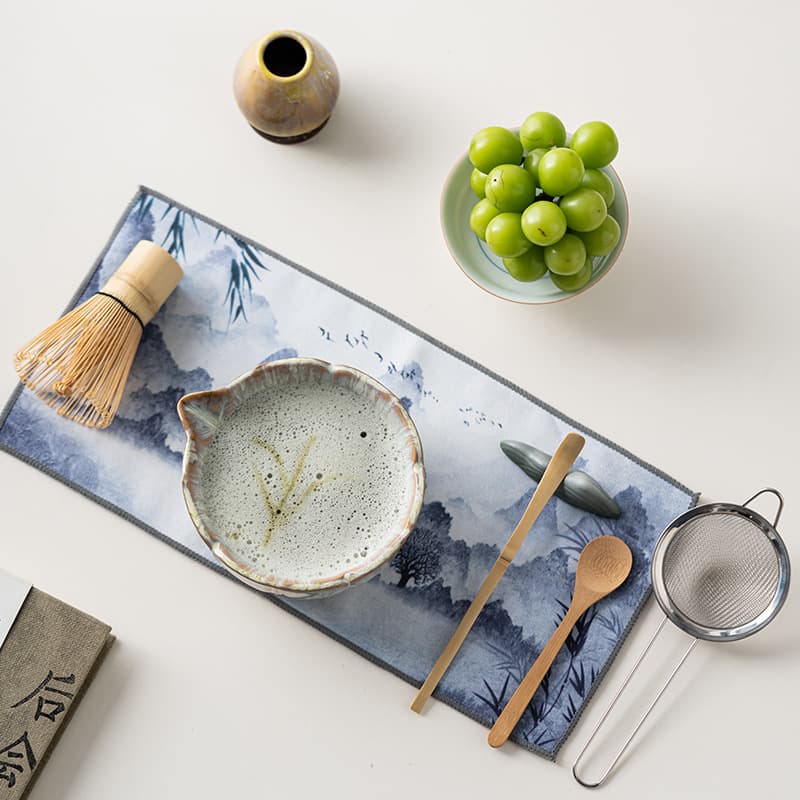
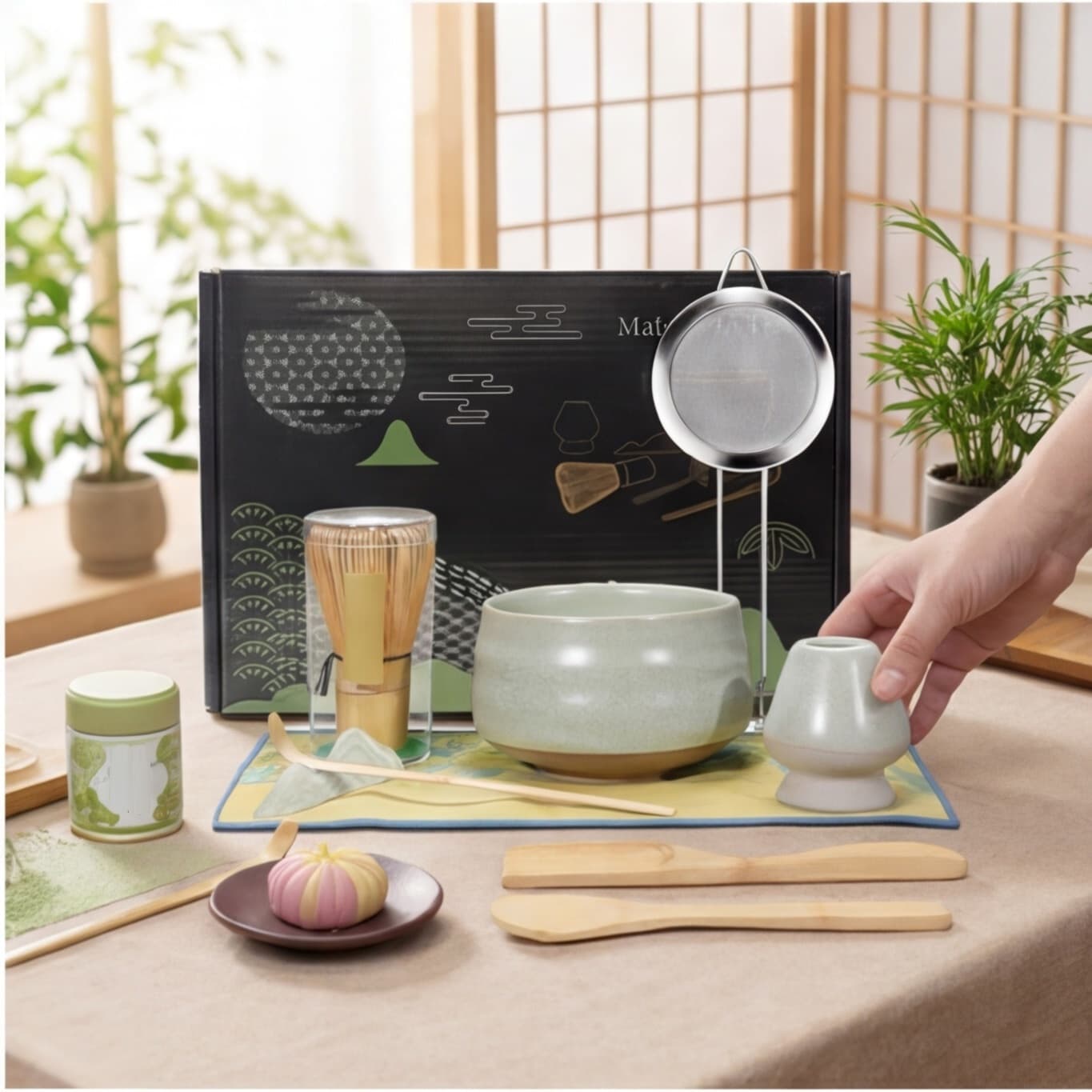
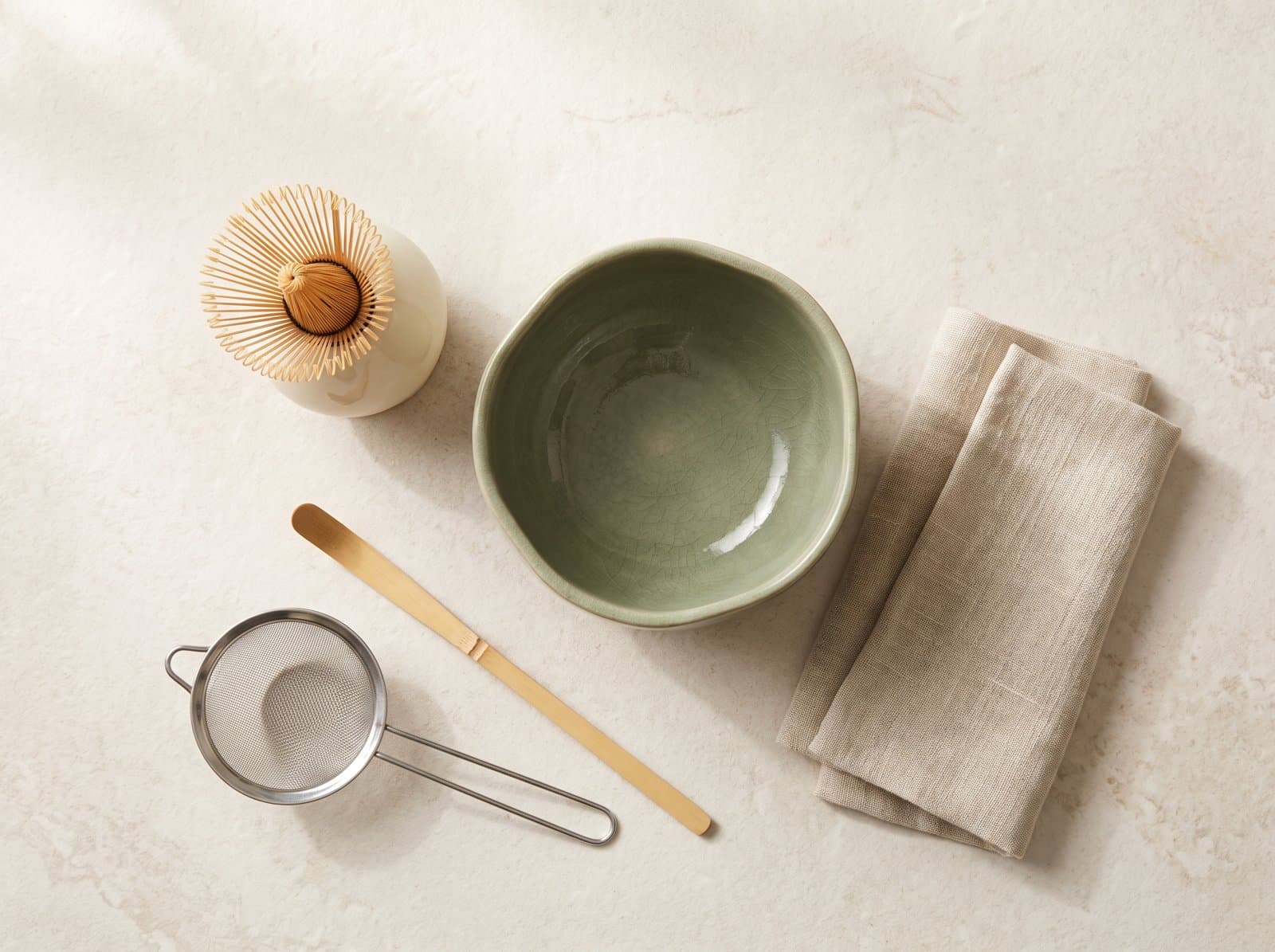
Everything the matcha ritual asks for.
Bowl, whisk, scoop, sifter, and rest — photographed exactly as they arrive.