5 November 2026 · 7 min read
Why Your Matcha Tastes Like Dirt
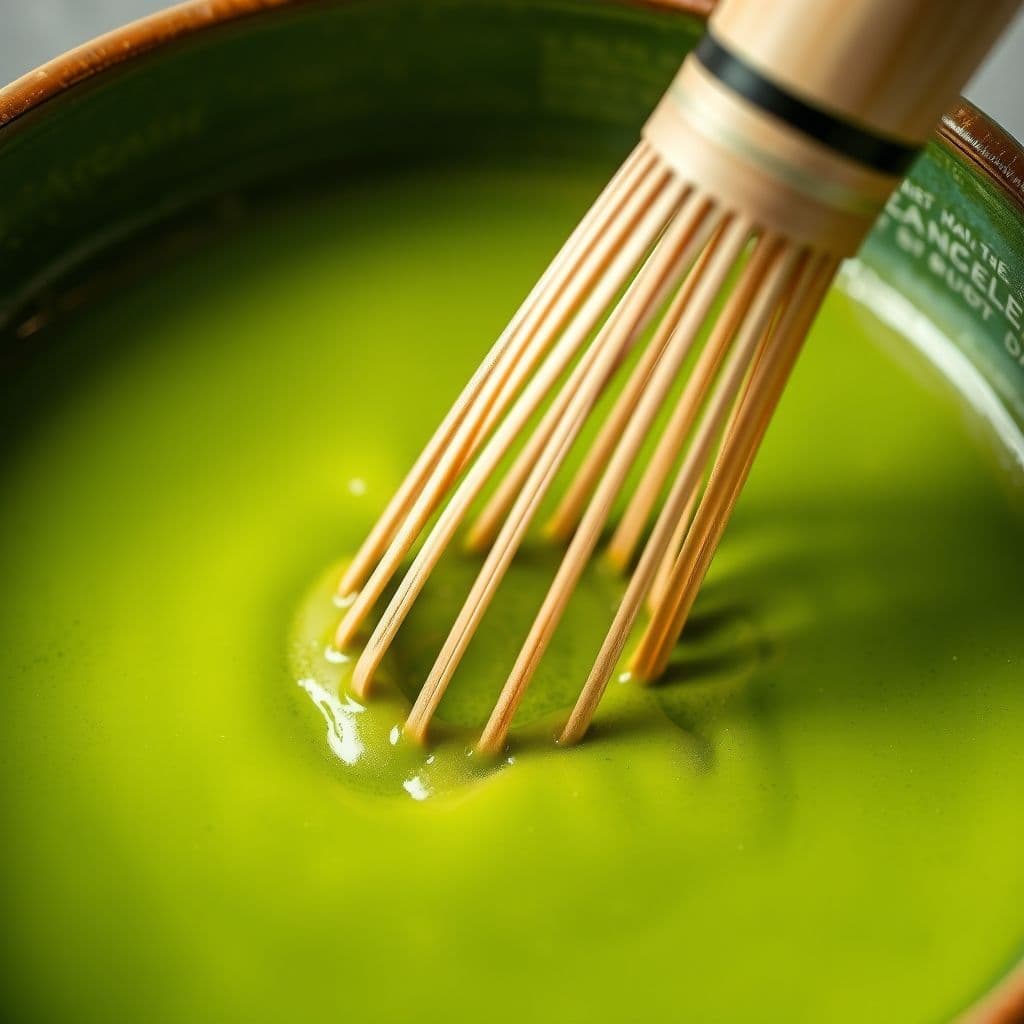
If your matcha tastes like dirt, it's often a sign of low-quality tea, poor preparation, or improper storage. A truly good matcha should offer a fresh, vegetal aroma and a complex taste that is both umami and subtly sweet, not muddy or harsh.
The "dirt" taste is usually an undesirable earthiness, sometimes coupled with excessive bitterness or a stale flavour. This guide explains why this happens and how to fix it.
Is It The Matcha Itself? Understanding Quality Grades
The most common reason for an unpleasant, earthy flavour in matcha is the quality of the tea itself. Not all matcha is created equal. The cultivation, harvesting, and processing methods dramatically affect its final taste.
Matcha is traditionally made from shade-grown green tea leaves. This shading process increases chlorophyll and L-theanine content. Chlorophyll gives matcha its vibrant green colour, while L-theanine is an amino acid responsible for the tea's characteristic umami flavour and a smooth, less bitter taste. When matcha tastes like dirt, it often means it lacks these desirable compounds.
Lower Grade Matcha
Matcha sold as "culinary grade" or "ingredient grade" is typically made from older, tougher leaves that have been exposed to more sunlight. Sunlight exposure increases catechins, which contribute to bitterness, and reduces L-theanine. These leaves are also often processed differently, sometimes including stems and veins that would be removed for higher grades. The result is a powder with a duller colour, a stronger bitterness, and a more pronounced, often unpleasant, earthy or "dirt-like" flavour.
While culinary grades are acceptable for baking or lattes where their strong flavour is masked by other ingredients, they are not designed for drinking on their own. If you are drinking a matcha labelled as culinary, or simply a very inexpensive matcha without a specific grade, this is a likely cause of the "dirt" taste.
Freshness and Origin
Even within ceremonial grades, freshness matters. Matcha is a delicate product and degrades over time. Older matcha, even if it was once high quality, can develop off-flavours. The region where the tea is grown and the specific varietal of the tea plant also play a role, but the most direct impact on the "dirt" taste comes from the general quality and freshness. A premium option like Ceremonial Matcha 100g is specifically processed for a smooth, balanced flavour profile, ideal for drinking straight. If you are using matcha for cooking or blending into smoothies, an option like Organic Matcha Powder 250g might be more suitable, but expect a stronger, less refined taste when consumed alone.
Wrong Water Temperature or Ratio? How to Brew Correctly
Even the best matcha can taste bad if prepared incorrectly. Water temperature and the ratio of powder to water are critical.
Water Temperature is Key
Boiling water is the enemy of good matcha. Using water that is too hot (above 80 C) will scald the delicate tea leaves, extracting harsh, bitter tannins and catechins. This can easily lead to a "dirt" or overly astringent taste. The ideal water temperature for matcha is about 70-80 C. If you don't have a temperature-controlled kettle, boil your water and then let it sit for a few minutes to cool down before pouring.
The Right Ratio and Whisking
Using too much matcha powder for the amount of water can result in an overly concentrated, bitter, and thick drink that overwhelms the palate. Conversely, too little powder might taste weak and watery. A common starting point is to use 2 grams (about half a teaspoon) of matcha powder for about 60-80 ml of water.
Proper whisking with a bamboo whisk (chasen) is also essential. Whisking vigorously in a "W" or "M" motion creates a fine froth on the surface. This froth isn't just for aesthetics; it aerates the matcha, making it smoother and helping to prevent clumping, which can lead to pockets of bitter, undissolved powder. If you're not using a whisk, or not whisking enough, the matcha won't be properly suspended, contributing to a gritty texture and an uneven, unpleasant flavour.
To ensure proper preparation, consider a dedicated set. The Nine-Piece Matcha Set or The Bamboo Preparation Set provide all the necessary tools for consistent results. For a simpler approach, a basic bowl and whisk are indispensable. Options like The Ceramic Bowl & Whisk Duo offer a good starting point. Even just a quality bamboo whisk like The Vintage Bamboo Chasen can make a significant difference if you are currently using a metal whisk or spoon.
Old or Poorly Stored Matcha: Freshness Matters
Matcha is highly susceptible to degradation from light, air, heat, and moisture. If your matcha tastes like dirt, it might simply be stale.
Oxidation is the Enemy
Once opened, matcha begins to oxidise. Exposure to air causes the delicate compounds that give matcha its vibrant colour and fresh flavour to break down. This leads to a duller green colour, a loss of umami and sweetness, and the development of stale, earthy, or even fishy notes. This is why matcha is often sold in small tins or vacuum-sealed bags.
Storage Best Practices
To preserve freshness and prevent off-flavours:
- Airtight Container: Always store matcha in an airtight container. The original packaging, if it's a sealed tin or a thick, resealable bag, is often suitable. Transferring to a dedicated matcha container can also be helpful.
- Cool, Dark Place: Keep your matcha away from direct sunlight, heat, and strong odours. A cupboard or pantry is ideal. While some people refrigerate matcha, ensure it is in a truly airtight container to prevent it from absorbing moisture or fridge odours. Allow it to come to room temperature before opening to prevent condensation.
- Consume Quickly: Matcha is best consumed within a few weeks to a month after opening. Even with perfect storage, its peak freshness is fleeting. Buying smaller quantities more frequently is better than buying a large bag that will sit for months.
Are Your Tools Clean? The Impact of Residue
This might seem minor, but dirty tools can absolutely contribute to an off-putting taste in your matcha.
Whisk and Bowl Residue
A matcha whisk (The Vintage Bamboo Chasen) has many delicate tines. If not cleaned properly after each use, matcha residue can build up. This old, dried matcha can then transfer stale, bitter, or even mouldy flavours into your fresh brew. Similarly, if your matcha bowl (chawan) or other preparation vessels are not thoroughly rinsed or cleaned, any lingering soap residue or old tea particles can taint the taste.
Cleaning Your Tools
After each use, rinse your bamboo whisk with warm water. Gently swirl it in clean water to dislodge any trapped powder. Do not use soap, as it can be absorbed by the bamboo and affect future brews. Allow the whisk to air dry completely, ideally on a whisk stand like The Ceramic Whisk Stand, to maintain its shape and prevent mildew. Bowls, like those found in The Cherry Blossom Gradient Set or The Complete Crazed-Glaze Set, should be rinsed immediately after use and allowed to air dry or wiped clean.
Taste Expectations: What Good Matcha Should Taste Like
Part of the "dirt" problem might be a mismatch between expectation and reality, especially if you're new to matcha. However, true high-quality matcha should never taste like dirt.
The Desirable Flavour Profile
When properly prepared, good matcha offers a complex and nuanced flavour:
- Umami: This savoury, brothy taste is a hallmark of quality matcha, derived from L-theanine.
- Sweetness: A natural, subtle sweetness, often described as vegetable-like, with notes of fresh grass or seaweed.
- Vegetal Notes: Fresh, green, and slightly herbaceous.
- Smoothness: A creamy, velvety texture with minimal astringency or bitterness.
- Clean Finish: The taste should linger pleasantly without any harsh aftertaste.
Matcha also contains caffeine and L-theanine, which work together to provide a calm, sustained alertness without the jitters often associated with coffee. This unique combination of compounds contributes to matcha's distinctive taste and effect.
Distinguishing Earthiness from "Dirt"
Some people describe good matcha as having an "earthy" note. This is distinct from the "dirt" taste. A pleasant earthiness might refer to a grounding, natural flavour, reminiscent of fresh soil after rain or certain root vegetables. This is usually subtle and balanced by other sweet and umami notes. The "dirt" taste, however, is typically stronger, unpleasant, and often accompanied by bitterness, staleness, or a coarse texture, indicating a problem.
Fixing The Problem: A Step-by-Step Approach
If you're experiencing that undesirable "dirt" taste, here's how to systematically improve your matcha experience:
- Upgrade Your Matcha: Start with a higher-quality matcha. If you're using a culinary grade for drinking, switch to a ceremonial grade. This is often the single biggest factor. Consider Ceremonial Matcha 100g as a benchmark for what good matcha should taste like.
- Check Water Temperature: Invest in a kettle with temperature control, or use a thermometer. Always aim for 70-80 C. Let boiling water cool for 2-3 minutes before using.
- Sift Your Matcha: Before adding water, sift your matcha powder through a fine mesh sieve. This breaks up any clumps, ensuring a smoother whisk and better flavour extraction. Many preparation sets, like The Nine-Piece Matcha Set, include a sifter.
- Whisk Properly: Use a bamboo whisk (chasen) and whisk in a "W" or "M" motion for about 15-30 seconds until a fine, even foam appears on top. A good whisk is included in many sets, such as The Complete Crazed-Glaze Set or The Ceramic Bowl & Whisk Duo.
- Review Storage: Ensure your matcha is stored in an airtight container, away from light, heat, and moisture. Consume it within a few weeks of opening.
- Clean Your Tools: Always clean your whisk and bowl immediately after use with warm water, no soap, and let them air dry.
By addressing these factors, you can transform your matcha experience from a gritty, earthy disappointment into a smooth, refreshing, and flavourful drink.
Common questions
Why does my matcha taste earthy?+
Your matcha tastes earthy, or like dirt, primarily due to low-quality tea, improper preparation (especially water temperature), or stale powder from poor storage.
What is good matcha supposed to taste like?+
Good matcha has a fresh, grassy, umami flavour with a hint of sweetness and a smooth, creamy texture, without strong bitterness or an unpleasant earthy aftertaste.
Can bad water make matcha taste like dirt?+
Yes, using water that is too hot (boiling) can scald the tea, extracting harsh, bitter compounds that contribute to an unpleasant, earthy flavour. Water should be about 70-80 C.
How can I make my matcha taste better?+
To improve your matcha's taste, use a high-quality ceremonial grade, sift the powder, use water heated to 70-80 C, whisk thoroughly, and store your matcha in an airtight container away from light and heat.
More matcha guides
The matcha tools for this ritual
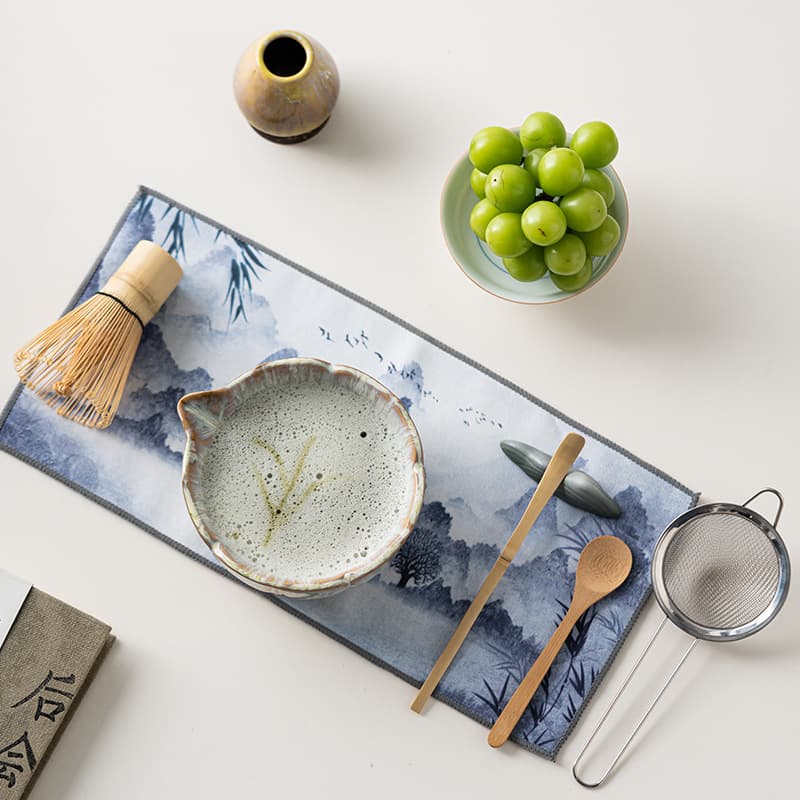
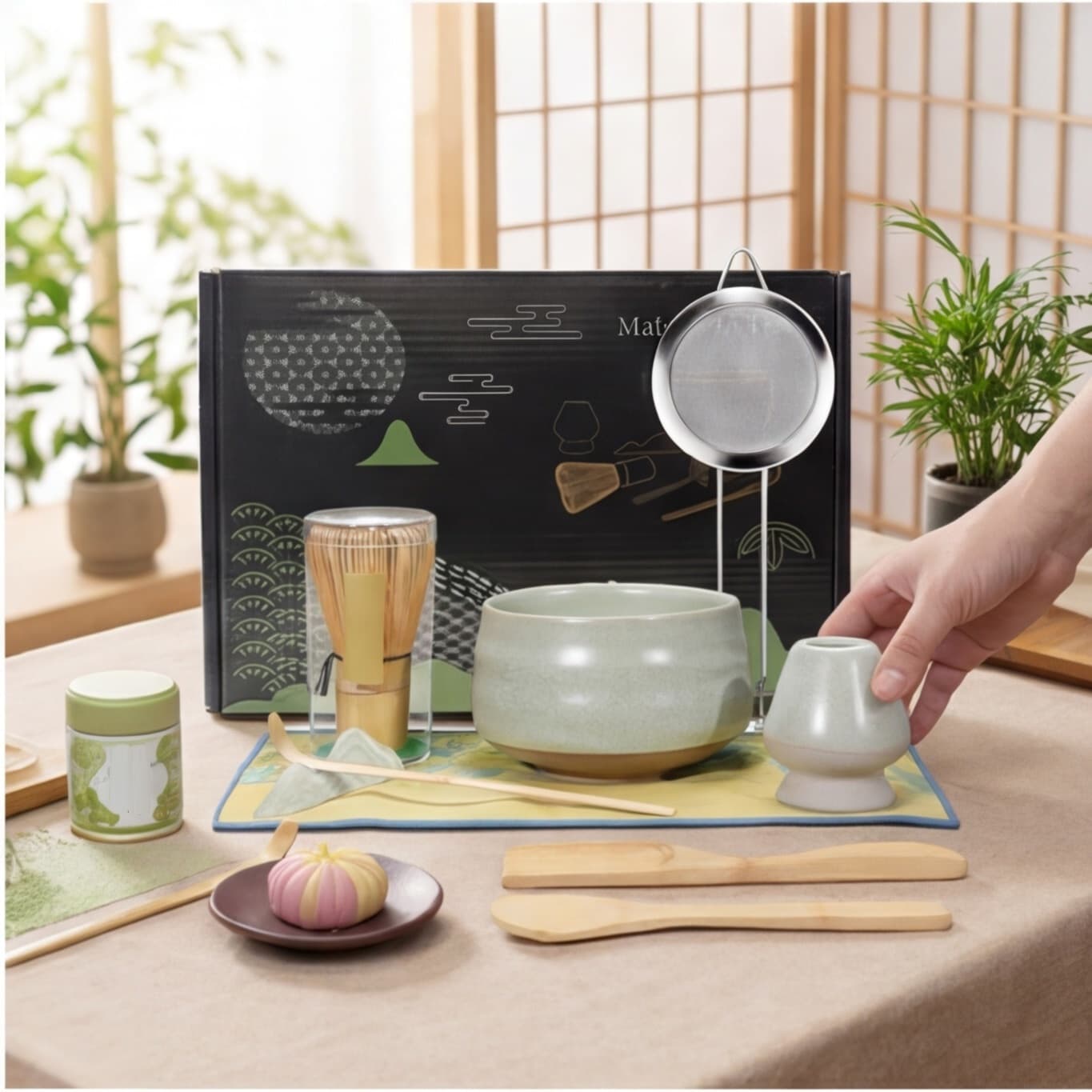
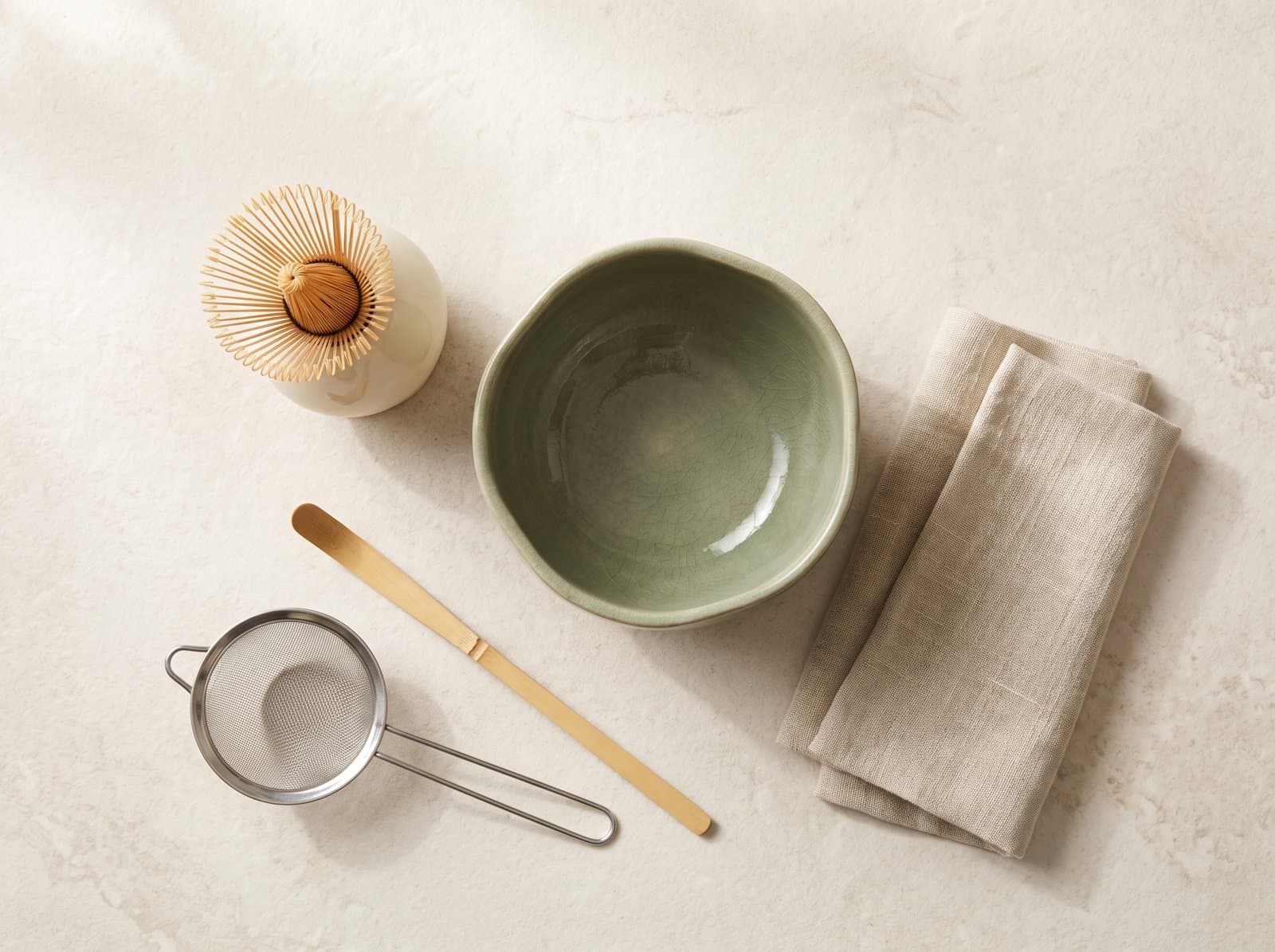
Everything the matcha ritual asks for.
Bowl, whisk, scoop, sifter, and rest — photographed exactly as they arrive.