4 November 2026 · 8 min read
Matcha Whisk: First-Time Use Guide
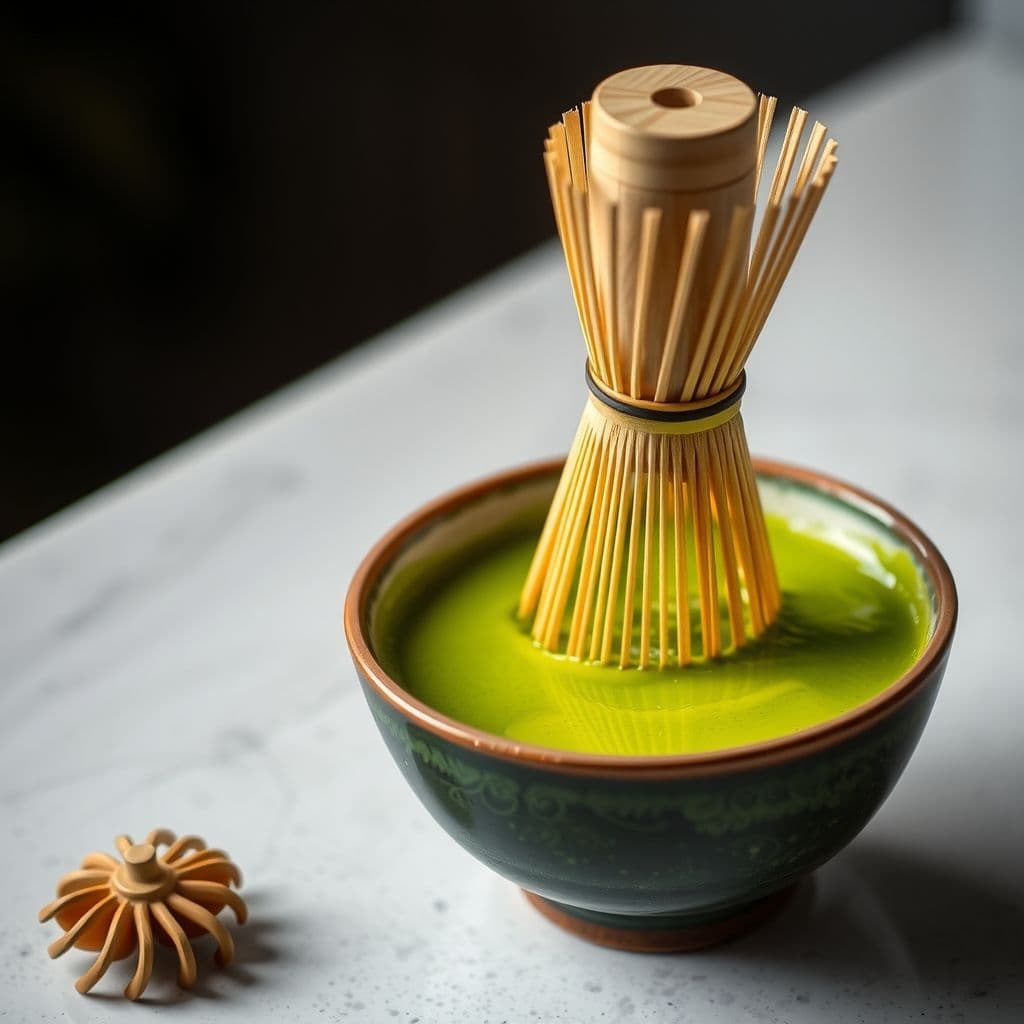
How to Use a Matcha Whisk for the First Time
To use a matcha whisk for the first time, begin by softening its bamboo tines in warm water. Then, add sifted matcha powder and hot water (about 70-80 C) to your bowl. Whisk vigorously in a 'W' or 'M' pattern, keeping the whisk just off the bottom of the bowl, until a fine, even foam forms on the surface. This technique ensures a smooth, clump-free drink with the characteristic froth.
Using a matcha whisk, also known as a chasen, is key to making traditional matcha at home. It might seem daunting at first glance, but with a few simple steps, anyone can master the technique. This guide walks you through preparing your whisk, the proper whisking motion, and how to care for your tools.
What is a Matcha Whisk (Chasen) and Why Does it Matter?
A matcha whisk, known as a chasen, is a traditional tool made from a single piece of bamboo. Its purpose is to properly mix matcha powder with hot water, creating a smooth, clump-free drink with a delicate foam on top. Unlike a spoon or fork, the chasen's many fine tines are designed to break up the tea powder quickly and efficiently, suspending it evenly in the water. This aeration process also helps to mellow the tea's flavour and create the characteristic frothy texture that defines a well-prepared bowl of matcha.
The chasen's unique design ensures that each particle of matcha is fully integrated into the water, preventing a grainy texture. Without a chasen, it is difficult to achieve the desired consistency and foam, which are hallmarks of a good matcha experience. While some tools can mix matcha, none replicate the chasen's ability to create a consistent, fine froth.
Chasen come with different numbers of tines, which can influence the foam. Whisks with more tines generally make it easier to achieve a very fine, dense foam. For beginners, a standard bamboo chasen like The Vintage Bamboo Chasen is an excellent starting point. The difference in froth quality is noticeable when compared to using a spoon or even an electric frother.
Getting Started: Prepping Your Whisk and Bowl
Proper preparation of your chasen and bowl is essential for a good matcha experience and to protect your tools.
Preparing Your Whisk
- First Use: Before using your new chasen for the very first time, soak its bamboo tines in warm water for about 5-10 minutes. This softens the delicate bamboo, making it more flexible. Soft tines are less likely to break during whisking and will perform better.
- Daily Use: Even after the first use, it is good practice to pre-warm your chasen before each session. You can do this by swirling it in the hot water you'll use to warm your bowl, or simply dipping its tines into some warm water for a minute. This keeps the bamboo pliable and ready for whisking.
Preparing Your Bowl
Using a warm bowl is not just for comfort; it also helps maintain the temperature of your matcha as you whisk. This prevents the tea from cooling too quickly, which can affect its taste and texture.
- Warm the Bowl: Pour some hot water (around 70-80 C) into your matcha bowl. Swirl it around to warm the ceramic evenly.
- Discard Water: Pour out the warming water completely. Your bowl should now be warm and ready for the matcha powder. A dedicated matcha bowl, such as The Spouted Matcha Bowl or those found in The Ceramic Bowl & Whisk Duo, is designed for ease of whisking.
Step-by-Step: Whisking Your First Bowl of Matcha
Once your whisk and bowl are prepped, it's time to make your matcha. Follow these steps for a perfect bowl.
1. Gather Your Tools and Ingredients
You will need:
- A matcha bowl.
- A bamboo chasen (whisk).
- A bamboo scoop (chashaku) or a small spoon for measuring.
- A fine mesh sifter (optional, but highly recommended).
- Matcha powder, such as Ceremonial Matcha 100g or Organic Matcha Powder 250g.
- Hot water (about 70-80 C).
Many essential tools come together in sets like The Bamboo Preparation Set, making it easier to start.
2. Measure and Sift the Matcha
Matcha powder is very fine and can clump easily, especially if exposed to humidity. Sifting it before adding water is a crucial step for a smooth drink.
- Use a chashaku to scoop your matcha. Two scoops is a common starting point, yielding about one gram of matcha. Adjust this amount to your taste.
- Place the sifter over your warm matcha bowl.
- Tap the matcha through the sifter into the bowl. This breaks up any clumps and ensures a smoother whisking experience.
3. Add Hot Water
The water temperature is critical. Water that is too hot (boiling) can scald the delicate matcha, making it taste bitter. Water that is too cold will not allow the matcha to dissolve properly or create a good foam.
- Pour about 60-80 ml of hot water (70-80 C) over the sifted matcha powder in the bowl.
- Adjust the amount of water based on your preferred consistency, less water for a thicker, stronger tea (koicha), more for a lighter tea (usucha).
4. The Whisking Motion
This is where the chasen shines. The goal is to suspend the matcha evenly and create a fine, frothy layer on top.
- Hold the Whisk: Grip the chasen lightly but firmly, with your thumb and forefinger near the top of the handle. Keep your wrist relaxed; the movement should come primarily from your wrist, not your arm.
- Initial Mixing: Gently press the whisk into the matcha and water mixture. Start by slowly circling the whisk at the bottom of the bowl to break up any paste and ensure all powder is wet.
- Vigorous Whisking: Lift the whisk slightly off the bottom of the bowl. Begin whisking vigorously in a "W" or "M" pattern. Imagine drawing these letters rapidly across the surface of the tea. The key is speed and consistency.
- Introduce Air: The rapid back-and-forth motion helps to incorporate air into the tea, which is what creates the foam. Keep the whisk just below the surface during the vigorous phase to generate bubbles.
- Duration: Continue whisking for about 15-30 seconds, or until a dense, even layer of foam covers the surface of the matcha.
5. Finishing Touch
Once you have achieved a good foam, a final step helps refine it.
- Slowly move the whisk around the surface of the foam, gently smoothing out larger bubbles.
- Finally, lift the whisk straight up from the center of the bowl. This leaves a neat peak of foam.
Your matcha is now ready to enjoy. The caffeine and L-theanine in matcha offer a balanced, sustained energy without the jitters.
Common Whisking Mistakes and How to Avoid Them
Even with instructions, making matcha can have a learning curve. Here are common issues and how to fix them:
- Not Enough Froth: If your matcha lacks a good foam, you might not be whisking vigorously enough, or your water could be too cold. Ensure your whisking motion is quick and uses the "W" or "M" pattern effectively to introduce air. Check your water temperature; it should be between 70-80 C.
- Clumps in Your Matcha: Clumps are usually a sign that the matcha wasn't properly sifted, or the water was too cold to dissolve the powder. Always sift your matcha powder. If clumps persist, try a more aggressive initial whisking at the bottom of the bowl to break them up.
- Damaging the Whisk: Pressing the whisk too hard against the bottom of the bowl can bend or break the delicate bamboo tines. Whisk with a light touch, keeping the tines just off the bowl's surface during vigorous whisking. Always pre-soak your whisk to keep the tines pliable.
- Bitter Taste: The most common cause of bitter matcha is water that is too hot (above 80 C). Always allow boiling water to cool for a few minutes before pouring it over your matcha. Using too much matcha for the amount of water can also lead to a stronger, potentially bitter, flavour.
Caring for Your Whisk: Cleaning and Storage
Proper care extends the life of your chasen and keeps it hygienic for future use.
Cleaning Your Whisk
Clean your chasen immediately after each use. Dried matcha can harden on the tines and be difficult to remove.
- Rinse Gently: Swirl the whisk in a bowl of warm, clean water until all matcha residue is gone. Do not use soap or harsh detergents, as they can damage the bamboo and impart unwanted flavours.
- Shake Dry: Gently shake off excess water.
Storing Your Whisk
How you store your whisk affects its shape and longevity.
- Air Dry: Allow the chasen to air dry completely. The tines should point upwards to facilitate drying.
- Use a Whisk Stand: A whisk stand, or kusenaoshi, is highly recommended. It helps maintain the chasen's original shape, preventing the tines from flattening or bending inwards. This also allows for proper airflow, preventing mold growth. The Ceramic Whisk Stand is designed specifically for this purpose.
- Lifespan: A chasen is a delicate tool and will naturally wear out over time. It is normal for some tines to straighten or break with regular use. When it becomes too difficult to achieve a good foam, it's time to replace your whisk.
Choosing Your First Matcha Whisk
For a beginner, the choices can seem overwhelming, but simplicity is often best. Traditional bamboo is the standard material for a reason, it provides the right flexibility and texture to create excellent foam.
When selecting your first chasen, focus on a standard bamboo whisk. While there are whisks with varying numbers of tines, a common one will serve you well as you learn the technique. You do not need the most expensive option to make good matcha. Many starter sets, such as The Nine-Piece Matcha Set or The Complete Crazed-Glaze Set, include a suitable whisk along with other necessary tools like a bowl and scoop, offering good value for a beginner.
Focus on learning the whisking motion and caring for your tools. The quality of your matcha powder is also a significant factor in the final taste, so pair your new whisk with a good quality tea. With practice, your first matcha whisk will help you create consistently smooth and frothy bowls of matcha.
Common questions
How do I prepare my matcha whisk for the first time?+
Soak the bamboo tines in warm water for a few minutes. This softens the bamboo, making it more flexible and preventing breakage during whisking.
What is the best whisking motion for matcha?+
Whisk vigorously in a "W" or "M" pattern across the bottom of the bowl, focusing on incorporating air and breaking up clumps. Keep your wrist loose.
How hot should the water be for whisking matcha?+
Use water heated to about 70-80 C. Water that is too hot (boiling) can make the matcha bitter and damage the delicate tea compounds.
How do I clean and store my matcha whisk?+
Rinse your whisk immediately after use with warm water; do not use soap. Air dry it completely, ideally on a whisk stand to help maintain its shape and prevent mold.
More matcha guides
The matcha tools for this ritual
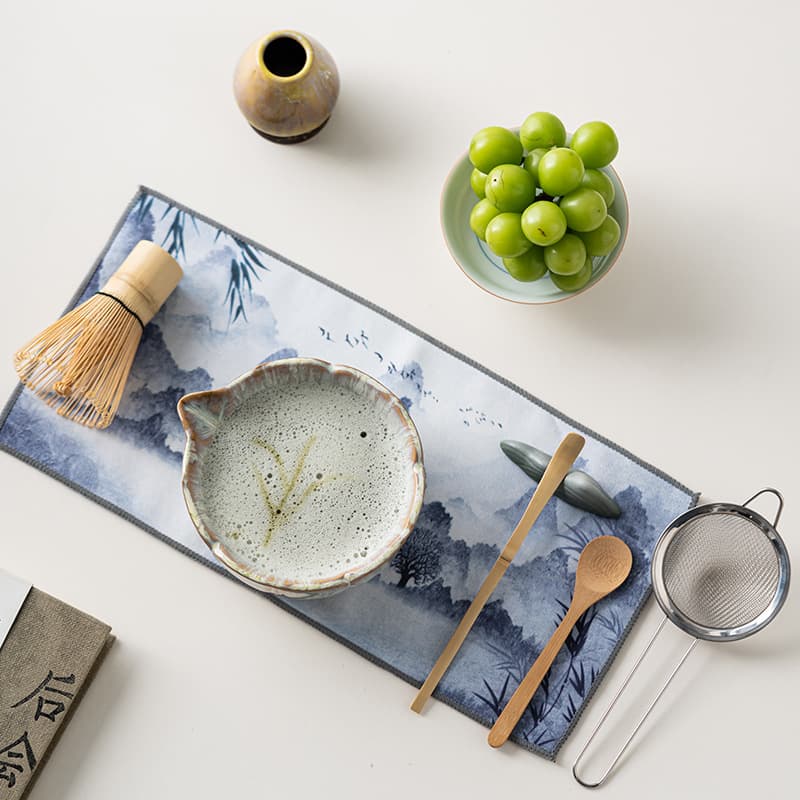
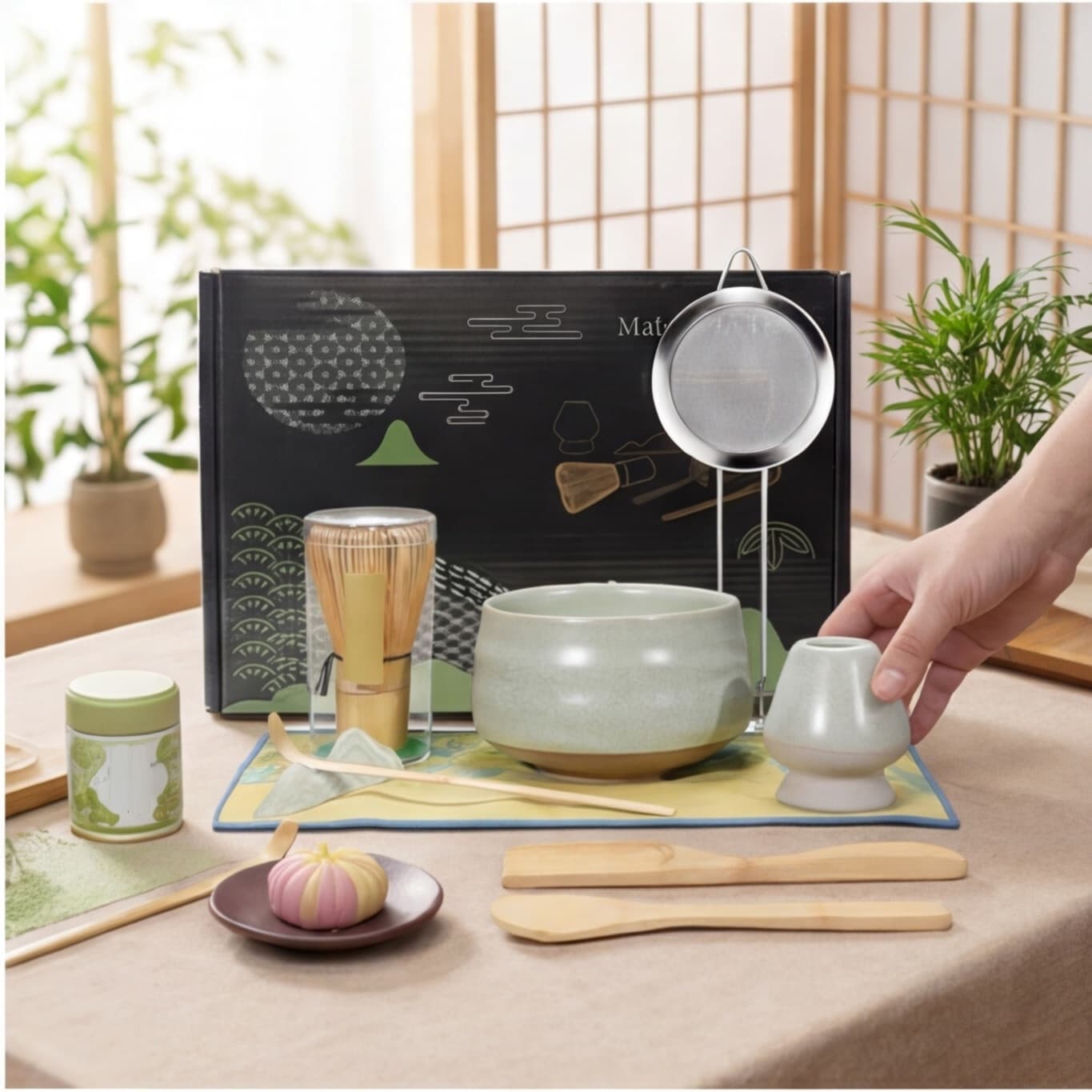
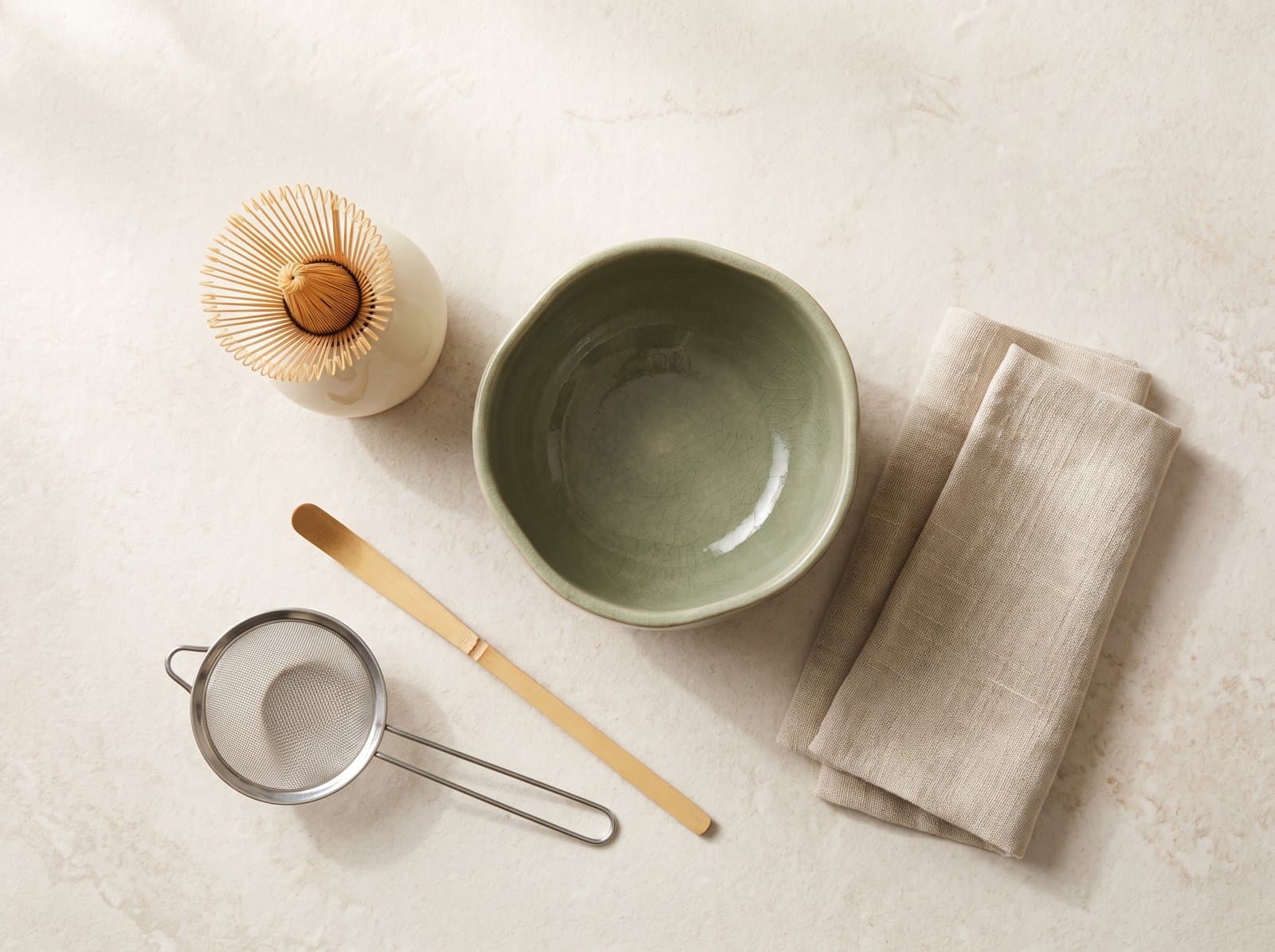
Everything the matcha ritual asks for.
Bowl, whisk, scoop, sifter, and rest — photographed exactly as they arrive.