28 October 2026 · 9 min read
Store Matcha from a Bag: Best Practices
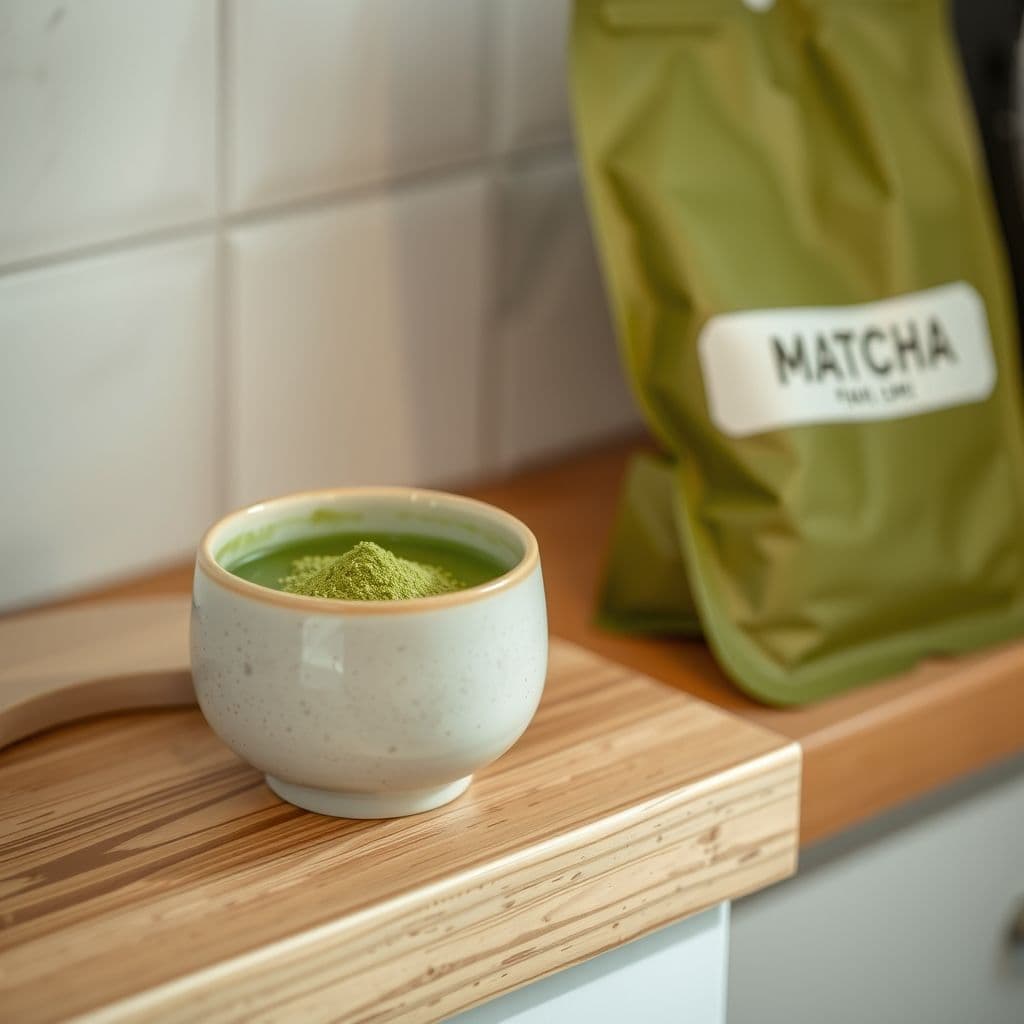
Transfer Matcha from Its Bag Immediately
If your matcha comes in a bag, the first step after opening is to transfer it to a more suitable container. Matcha is a delicate product, highly sensitive to environmental factors. Its original bag, even with a resealable zipper, rarely offers the long-term protection needed to preserve its vibrant color, fresh aroma, and complex flavor once exposed to air.
Direct exposure to light, air, moisture, and odors will quickly degrade the quality of your matcha. The fine powder loses its potency and turns dull, sometimes within days. Taking the time to properly re-house your matcha is the single most important action you can take to keep it fresh for longer.
Why a Bag Isn't Enough for Matcha Storage
Matcha's unique properties make it particularly vulnerable to degradation. Understanding these vulnerabilities explains why a simple bag, once opened, is inadequate for proper storage:
- Light Exposure: Matcha's brilliant green color comes from chlorophyll. Light, especially ultraviolet light, breaks down chlorophyll rapidly. This process not only dulls the color to a yellowish or brownish hue but also negatively impacts the flavor, making it flat and less appealing. Many bags are not fully opaque, or become less so with handling, allowing light to penetrate.
- Air and Oxidation: Oxygen is a primary enemy of matcha. Once the initial seal of a bag is broken, oxygen begins to interact with the delicate compounds in the tea powder. This oxidation process leads to a loss of fresh, grassy notes and can introduce bitterness. Most resealable bag closures are not truly airtight, allowing a constant trickle of oxygen to reach the matcha.
- Moisture Absorption: Matcha powder is hygroscopic, meaning it readily absorbs moisture from the surrounding air. This is a common problem in humid environments. Absorbed moisture can cause the powder to clump, making it difficult to whisk smoothly. More importantly, moisture accelerates spoilage and can lead to a musty taste. A bag's material often offers limited protection against humidity.
- Odor Contamination: Matcha is highly absorbent of ambient odors. If stored in a bag near strong-smelling items like coffee, spices, or even certain cleaning products, the matcha will quickly pick up these unwanted aromas. This can permanently alter its delicate flavor profile, making it unusable for a pleasant tea experience. Bags offer minimal defense against odor transfer.
Even if a bag feels robust, its primary purpose is often for transport and initial freshness before opening. For ongoing storage, a dedicated container is a necessary upgrade. The difference in quality between matcha stored well and matcha left in an open bag is significant.
The Best Container for Matcha from a Bag
Choosing the right container is crucial for preserving your matcha. Focus on these key characteristics:
Airtight Seal
The most important feature is an airtight seal. This prevents oxygen and moisture from reaching the powder. Look for containers with silicone gaskets or strong clamp mechanisms that create a tight barrier. Screw-top lids can be effective if they have a good inner seal.
Opaque Material
The container must block all light. Ceramic, dark-colored glass, or stainless steel are excellent choices. Avoid clear glass or plastic containers, even if you plan to store them in a dark place. Accidental exposure to light, even for short periods, can cause degradation.
Non-Reactive Material
The material should not interact with the matcha, altering its flavor or safety. Ceramic, glass, and food-grade stainless steel are safe, non-reactive options. Avoid containers made from low-quality plastics, which can sometimes leach chemicals or absorb odors themselves, transferring them to your matcha.
Appropriate Size
Select a container that is just slightly larger than the volume of matcha you are storing. Minimizing the amount of air space above the powder further reduces oxidation. If you buy a larger quantity, like the Organic Matcha Powder 250g, consider dividing it into smaller, appropriately sized containers for long-term storage, keeping only a small amount for daily use.
You do not need an expensive container. A simple ceramic jar with a tight-fitting lid often works better than a fancy, but poorly sealed, option. A ceramic container that comes with a matcha set, such as the ones in The Nine-Piece Matcha Set or The Complete Crazed-Glaze Set, often includes a suitable vessel. If you are starting fresh, look for a small, opaque jar with a reliable seal.
Where to Keep Your Matcha Container
Once your matcha is in an airtight, opaque container, the next consideration is where to store it. The goal is to keep it cool, dark, and dry.
Refrigerator (for frequent use)
The refrigerator is a good choice for matcha you use regularly, perhaps daily or every few days. The consistent cool temperature slows down oxidation and helps preserve freshness. However, refrigeration comes with a significant risk: condensation.
- Managing Condensation: When you take a cold container of matcha out into a warmer room, moisture from the air will condense on the inside of the container as it warms up. This moisture can ruin your matcha. To prevent this, always allow the sealed container to come to room temperature for at least 30-60 minutes before opening it. Only open the container once it has fully warmed up, and re-seal it immediately after scooping out your matcha.
- Odor Control: Ensure your matcha container is truly airtight when storing it in the refrigerator. The fridge is full of strong odors from other foods, and matcha will absorb them if not properly sealed.
Freezer (for long-term storage)
For matcha you plan to store for several weeks or months, or for larger quantities like a Organic Matcha Powder 250g bag that you won't use quickly, the freezer is the best option. Freezing virtually halts the degradation process.
- Preparation for Freezing: For best results, divide larger quantities into smaller, airtight, opaque containers. This way, you only need to thaw out what you'll use in a reasonable timeframe.
- Thawing Process: The condensation risk is even higher with frozen matcha. When removing matcha from the freezer, it is absolutely critical to let the sealed container come to room temperature for several hours (4-6 hours is a good guideline) before opening it. Do not rush this process. Opening a frozen or very cold container will immediately expose the matcha to condensation, ruining it.
- Re-freezing: Avoid repeatedly freezing and thawing matcha, as this can introduce moisture and degrade quality. Once a portion has been thawed and opened, store it in the refrigerator for daily use and consume it within a few weeks.
Pantry (not ideal for opened matcha)
While a cool, dark pantry might seem like an option, it is generally not recommended for opened matcha. Pantry temperatures can fluctuate more than a refrigerator, and it's harder to control humidity. If you must store matcha in a pantry, ensure it is in a truly airtight, opaque container, away from heat sources (like ovens or direct sunlight) and strong odors. However, expect a faster decline in quality compared to refrigerated or frozen storage.
How to Transfer Matcha from Bag to Container
The transfer process itself is an opportunity for degradation if not done carefully. Follow these steps to minimize exposure:
- Prepare Your Space: Choose a clean, dry area away from direct light, strong breezes, or sources of heat. Ensure your chosen storage container is clean and completely dry. Any residual moisture will harm your matcha.
- Gather Tools: You will need a clean, dry spoon or scoop. A funnel can also be helpful for transferring the powder without spilling, especially if your container opening is narrow.
- Work Quickly: Open the matcha bag and immediately begin transferring the powder to your clean, dry, opaque container. Work as quickly and efficiently as possible to minimize the matcha's exposure to air and light.
- Fill Appropriately: Fill the container to leave minimal air space at the top. This reduces the amount of oxygen trapped with the matcha. However, do not overfill to the point where the lid cannot create a secure seal.
- Seal and Store: Once transferred, immediately seal the container tightly. Wipe away any stray powder from the rim to ensure a perfect seal. Then, place the container in your chosen storage location (refrigerator or freezer) without delay.
- Labeling: Consider labeling the container with the date you opened the bag and transferred the matcha. This helps you track its freshness.
This quick and careful transfer ensures your matcha spends the least amount of time exposed to degrading elements, setting it up for a longer, fresher life.
How Long Does Matcha Stay Fresh Once Transferred?
Even with perfect storage, matcha is a perishable product. It does not go "bad" in the sense of becoming unsafe to consume, but its quality, flavor, and color will slowly diminish over time. The rate of degradation depends on the matcha's grade and how well it's stored.
- Ceremonial Grade Matcha: This is the highest quality matcha, known for its vibrant color and delicate, umami-rich flavor. It is the most sensitive to degradation. Once opened and properly transferred, ceremonial matcha like Ceremonial Matcha 100g is best consumed within 3-4 weeks for peak freshness. Beyond this, you may notice a slight dulling of color and a less vibrant taste.
- Organic/Culinary Grade Matcha: These grades, such as Organic Matcha Powder 250g, are often slightly more robust due to their processing, but still benefit from careful storage. They can maintain good quality for 1-2 months after opening and transfer. While still drinkable after this period, their flavor profile will become less pronounced, and they may be better suited for lattes or baking.
Signs Your Matcha Has Lost Its Freshness:
- Dull Color: Fresh matcha is a vivid, almost neon green. If your matcha looks yellowish, brownish, or olive green, it has likely oxidized and lost much of its quality.
- Flat Aroma: High-quality matcha has a fresh, slightly grassy, and sometimes nutty or sweet aroma. If it smells stale, bland, or has an off-odor, its freshness has diminished.
- Bitter Taste: While some matcha has a natural slight astringency, overly bitter or harsh notes without any underlying sweetness or umami often indicate a loss of freshness.
- Clumping: While some clumping can occur due to static, excessive, hard clumping often indicates moisture absorption.
While consuming matcha past its peak freshness is generally harmless, it will not offer the rich, complex experience that fresh matcha provides. For the best results, buy quantities that you can realistically use within these freshness windows.
Tips for Getting the Most from Your Stored Matcha
Beyond the initial transfer and storage location, a few daily habits can further extend the life of your matcha:
- Use a Chashaku: A bamboo tea scoop, or chashaku, is designed to measure matcha easily without introducing oils or moisture from your hands. Many sets, like The Bamboo Preparation Set, include one.
- Minimize Open Time: When preparing your matcha, take out only the amount you need and immediately re-seal the container. Every second it's open, it's exposed to air and humidity.
- Cleanliness is Key: Ensure your whisk, bowl, and any other tools are completely clean and dry before use. Residual moisture or oils can contaminate your matcha.
- Proper Water Temperature: Remember that matcha is sensitive to temperature. Use water around 70-80 C, never boiling. Boiling water will scald the delicate tea powder and bring out harsh bitterness, regardless of how well it was stored.
By treating your matcha with care from the moment it leaves its bag, you ensure that every bowl you whisk delivers the vibrant color, complex aroma, and exquisite flavor it was meant to offer.
Common questions
Should I store matcha in its original bag?+
No, transfer matcha from its bag into an airtight, opaque container immediately after opening to protect its quality. Most bags do not offer sufficient protection against light, air, and moisture once opened.
What is the best container for matcha from a bag?+
The best container is airtight, opaque, and made from a non-reactive material like ceramic, dark glass, or stainless steel. Choose a size that minimizes air space above the powder.
Where should I keep my opened matcha container?+
Store your opened matcha container in the refrigerator for daily use, or in the freezer for longer-term storage. Ensure the container is sealed tightly to prevent moisture absorption.
How long does matcha last once transferred from its bag?+
Once transferred and properly stored, ceremonial-grade matcha can maintain its peak freshness for about a few weeks, while organic or culinary grades might last a few months, though quality will slowly diminish.
More matcha guides
The matcha tools for this ritual
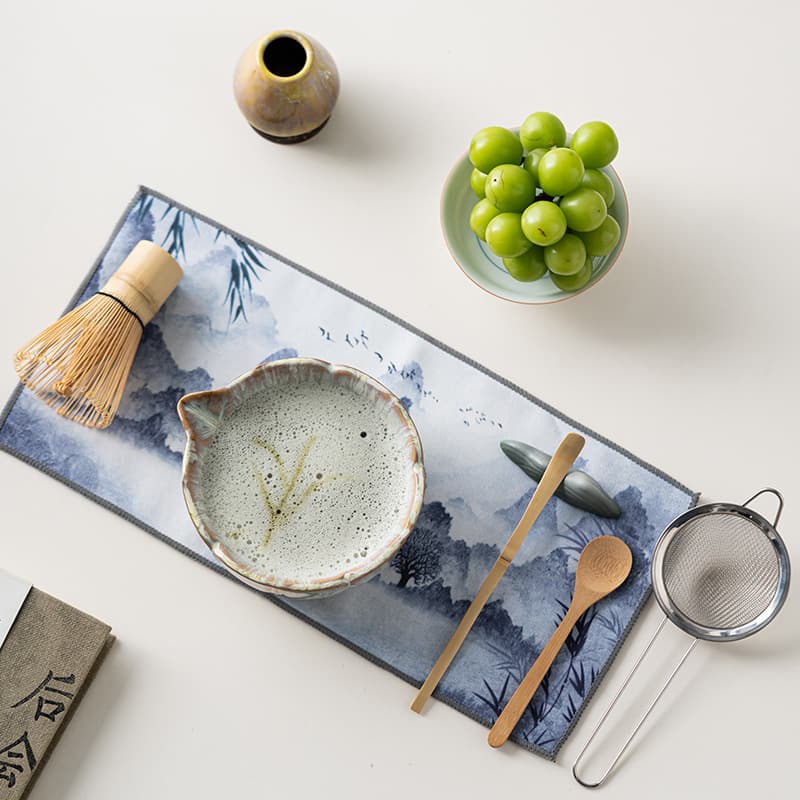
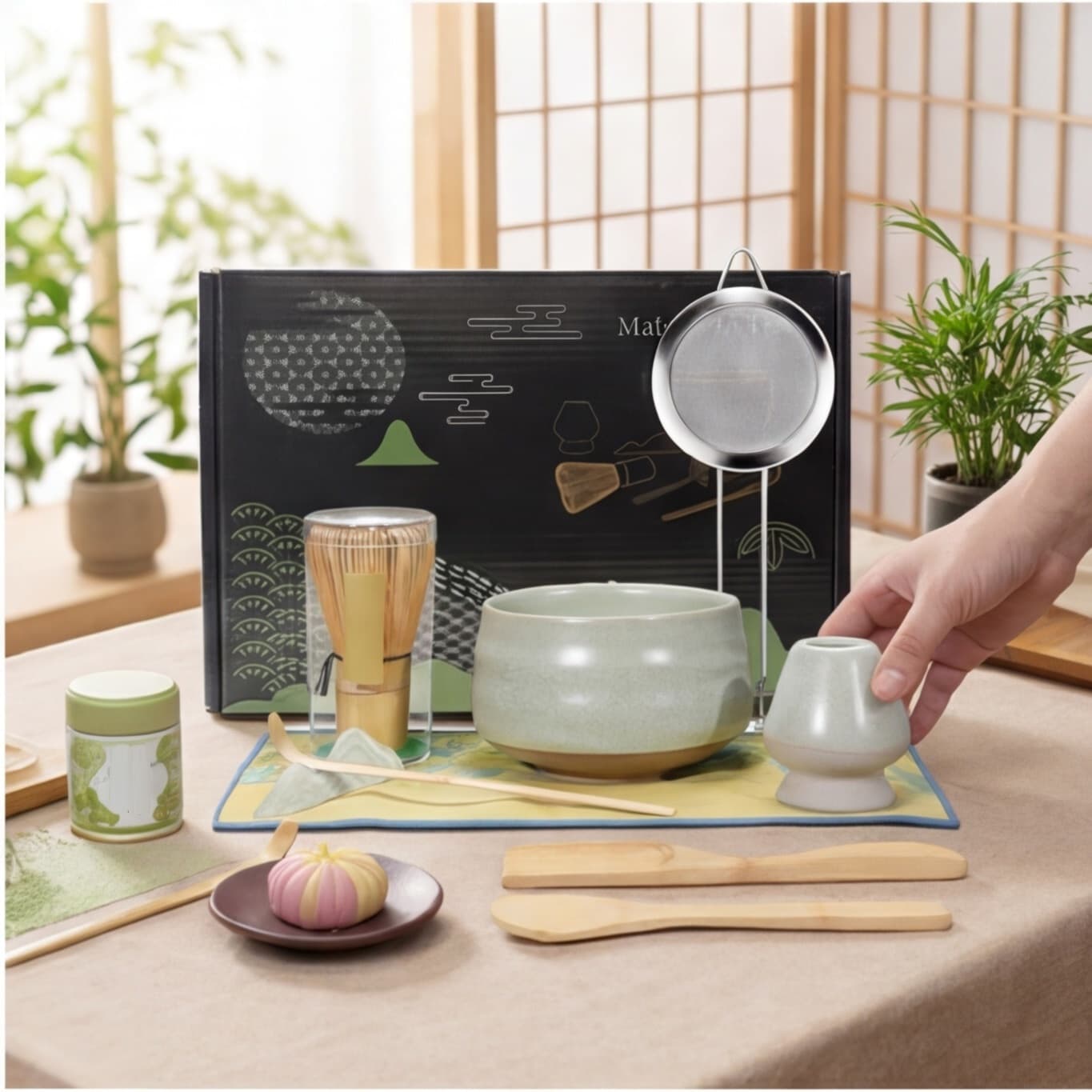
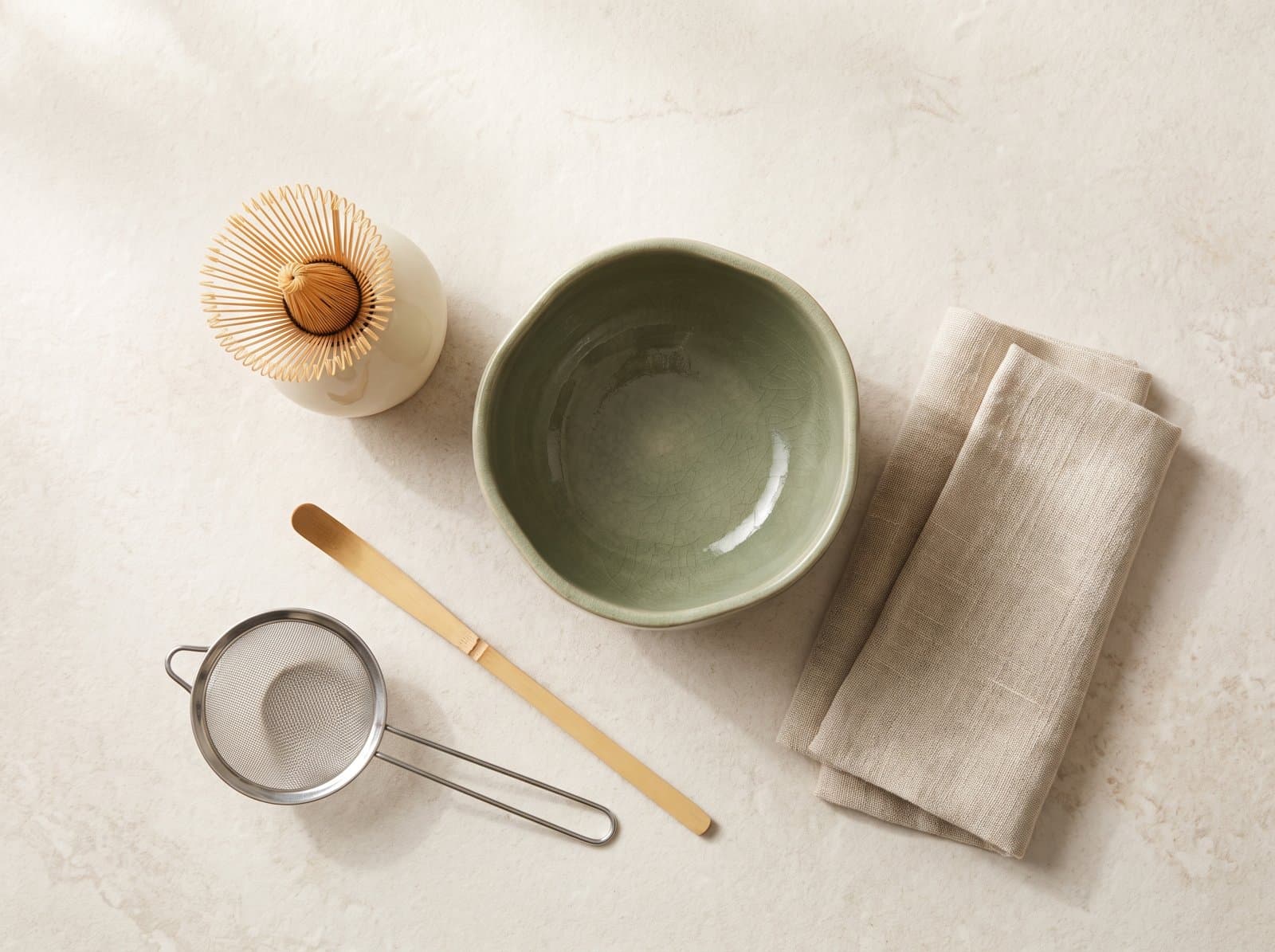
Everything the matcha ritual asks for.
Bowl, whisk, scoop, sifter, and rest — photographed exactly as they arrive.