29 October 2026 · 8 min read
Matcha Quality Grades: A Guide to Choosing
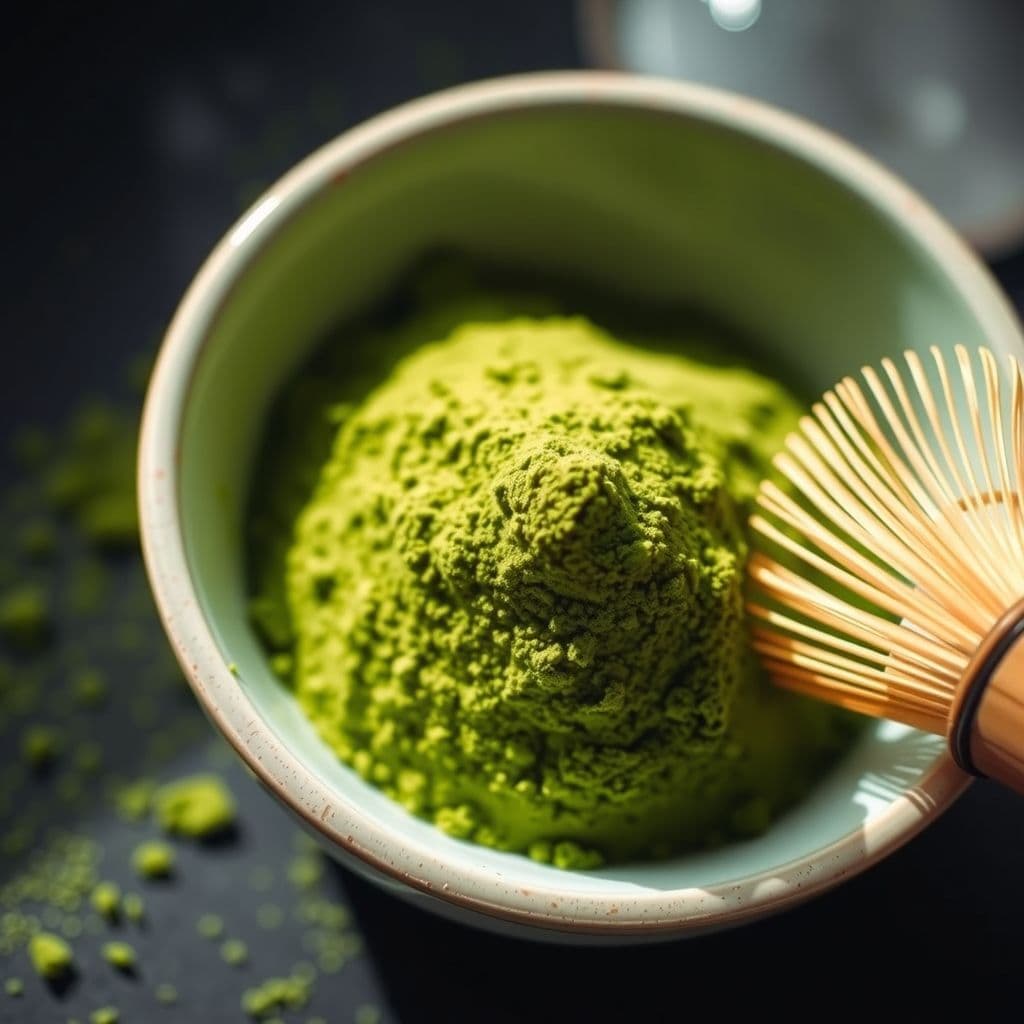
What Are The Common Matcha Grades?
There is no single, official grading system for matcha. The terms you see on packaging are often used by producers and retailers to help consumers understand the product's intended use and general quality level. The two most common distinctions are "Ceremonial Grade" and "Culinary Grade."
Ceremonial Grade Matcha is considered the highest quality. It is designed to be whisked with hot water and drunk straight, savouring its pure flavour. This grade typically comes from the first harvest (Ichibancha) of tea leaves, which are usually shade-grown for longer periods. It is characterised by a vibrant, almost electric green colour, a delicate, sweet, and complex flavour profile with a strong umami presence, and very little bitterness or astringency. The powder is exceptionally fine, allowing it to dissolve smoothly and create a rich, frothy foam.
Culinary Grade Matcha is a broader category. It is intended for mixing into lattes, smoothies, desserts, and other food items where its flavour will be combined with other ingredients. Culinary matcha usually comes from later harvests or less intensely shade-grown leaves. It has a more robust, sometimes slightly more astringent flavour profile designed to stand out against other ingredients. Its colour is typically less vibrant green than ceremonial grade, often leaning towards a yellowish-green. Within "Culinary Grade," you might see further distinctions like "Latte Grade," "Ingredient Grade," or "Classic Grade." These are mostly marketing terms to suggest specific applications, but they all fall under the umbrella of matcha suitable for mixing.
The key difference is how you plan to use it. If you want to drink matcha straight, invest in ceremonial grade. If you plan to mix it, culinary grade offers a more economical choice.
The True Markers of Matcha Quality: Beyond The Label
While labels like "Ceremonial" and "Culinary" offer a guide, understanding the underlying factors of matcha production reveals its true quality. These factors determine the flavour, aroma, colour, and texture of the final powder.
Cultivation and Harvest
- Origin: Traditional matcha comes from Japan. The unique terroir contributes to its flavour.
- Shade-Growing: This is a non-negotiable step for quality matcha. Tea plants are covered for several weeks before harvest. This process boosts chlorophyll production, leading to that vivid green colour, and increases L-theanine, an amino acid responsible for matcha's distinct umami flavour and mellow sweetness.
- First Harvest (Ichibancha): The highest quality matcha comes from the very first flush of new tea leaves in spring. These leaves are young, tender, and packed with nutrients and flavour compounds. Later harvests (Nibancha, Sanbancha) yield leaves that are older, harder, and produce more astringent matcha, usually destined for culinary use.
Processing Excellence
- Steaming: Immediately after harvest, the leaves are steamed. This stops the oxidation process, preserving their vibrant green colour and nutritional content.
- Tencha Processing: After steaming and drying, the leaves are destemmed and deveined. The remaining leaf flesh is called "tencha." High-quality matcha uses only the purest tencha, free of stems and veins, which can introduce bitterness and a gritty texture.
- Stone Grinding: Traditional matcha is ground slowly in large stone mills. This slow process prevents heat buildup, which could degrade the delicate flavour and colour. It results in an incredibly fine powder, much finer than what can be achieved with modern machines. This fineness is crucial for a smooth, lump-free brew and a stable foam.
Sensory Attributes
- Colour: A sign of proper shade-growing and freshness. High-quality matcha should be a brilliant, vibrant, almost neon green. Any dullness, yellowing, or brownish tints indicate lower quality, improper processing, or oxidation.
- Aroma: Good matcha has a fresh, grassy, slightly sweet, and vegetal aroma. It should not smell dusty, fishy, or like old hay.
- Taste: Expect a balance of sweetness and umami, with a smooth, mellow finish. Ceremonial grade should have minimal to no bitterness. Culinary grades will have a stronger, more robust flavour.
- Texture: The powder itself should feel like silk between your fingers. When whisked, it should produce a stable, fine-bubbled foam (crema) on top, indicating its freshness and proper grinding.
Why Does Shade-Growing Matter for Matcha Quality?
Shade-growing is the defining characteristic of matcha cultivation, setting it apart from other green teas. For several weeks before harvest, tea plants are covered, blocking out direct sunlight. This controlled environment forces the plant to adapt, fundamentally changing its chemical composition and flavour profile.
When deprived of sunlight, the tea plant goes into overdrive to produce chlorophyll. This is why high-quality matcha has such an incredibly vibrant, deep green colour. More chlorophyll means a richer, more visually appealing powder.
Beyond colour, shading significantly impacts the amino acid content, particularly L-theanine. Under normal sun exposure, L-theanine converts into catechins, which contribute to bitterness. By shading the plants, this conversion is inhibited. The result is a higher concentration of L-theanine, which is responsible for matcha's distinct umami flavour, its natural sweetness, and its ability to create a sense of calm alertness. This amino acid is why premium matcha tastes so smooth and lacks the harsh bitterness often found in lower-quality green teas.
Shade-growing also affects the caffeine content. While it's known for its calming effect, matcha also contains caffeine, which is somewhat elevated due to the shading process. The combination of L-theanine and caffeine creates a sustained energy release without the jitters often associated with coffee.
Without proper shade-growing, matcha would simply be powdered green tea, lacking the intense colour, complex umami, and smooth character that define true matcha quality.
How To Choose The Right Matcha For Your Home
Choosing the right matcha depends entirely on how you intend to use it. Consider your purpose before you look at labels or prices.
For Drinking Straight (Usucha or Koicha)
If you plan to whisk matcha with just hot water, aiming for a traditional cup of usucha (thin tea) or koicha (thick tea), you need a ceremonial grade matcha. Its delicate flavour profile, lack of bitterness, and vibrant colour are best appreciated on their own. Look for a matcha that explicitly states "Ceremonial Grade" and has a bright green hue. For example, MIRUKII offers Ceremonial Matcha 100g. It costs USD 54.95 for 100 grams, reflecting the careful cultivation and processing involved in producing a high-quality product suitable for this purpose.
For Lattes, Smoothies, and Baking
If your primary use for matcha is to mix it into milk-based drinks, fruit smoothies, or baked goods, a culinary grade matcha is the better and more economical choice. Its stronger flavour stands up well to other ingredients without getting lost. While it may not have the same vibrant colour or delicate notes as ceremonial grade, it provides the characteristic matcha flavour and colour to your recipes. MIRUKII provides Organic Matcha Powder 250g for USD 59.95. This larger quantity and lower price per gram make it an excellent option for regular culinary use.
What About "Organic" Matcha?
Organic certification ensures that the matcha has been grown and processed without synthetic pesticides or fertilisers, adhering to specific organic farming standards. This is a choice based on environmental and health considerations. It's important to understand that "organic" does not automatically mean "higher quality" in terms of taste, colour, or texture for matcha. A non-organic ceremonial grade matcha might still offer a superior sensory experience compared to an organic culinary grade matcha. You can find high-quality organic matcha, but always consider the other quality markers like colour, aroma, and taste, not just the organic label alone.
Always prioritise the matcha's colour and aroma. A dull, yellowish, or brownish powder with a faint or unpleasant smell is unlikely to be good quality, regardless of its grade label.
Tools That Enhance Your Matcha Experience
Even the highest quality matcha can be disappointing without the right preparation. Using traditional tools helps you unlock its full potential, ensuring a smooth, frothy, and enjoyable drink. You don't need to buy every tool at once, but some are essential.
- Chawan (Matcha Bowl): A wide, shallow bowl is ideal for whisking matcha. Its shape allows the bamboo whisk to move freely, creating a smooth, frothy texture. Many chawans are beautiful pieces of pottery that enhance the ritual of matcha preparation. You can find options like The Spouted Matcha Bowl for USD 27.95, which makes pouring easier, or The Cherry Blossom Bowl & Stand for USD 23.95, offering an aesthetic touch.
- Chasen (Bamboo Whisk): This is arguably the most crucial tool. A bamboo whisk, with its many delicate tines, is specifically designed to thoroughly mix matcha powder with water and create a fine, stable foam. It's nearly impossible to achieve a proper froth without one. The Vintage Bamboo Chasen costs USD 10.95 and is a good option.
- Chashaku (Bamboo Scoop): While not strictly necessary (a regular spoon can work), a chashaku is traditionally used to measure matcha powder into the bowl. It helps to scoop the correct amount without compacting the powder.
- Kusenaoshi (Whisk Stand): After rinsing your chasen, placing it on a whisk stand helps it dry properly and maintain its shape, extending its lifespan. The Ceramic Whisk Stand is available for USD 8.95.
- Matcha Sifter: Matcha powder is very fine and can clump easily. Sifting the powder before adding water ensures a smoother, lump-free brew and makes whisking easier.
If you are just starting, a basic set can provide everything you need. For example, The Ceramic Bowl & Whisk Duo for USD 13.95 is a simple, effective starting point. For a more comprehensive collection, The Nine-Piece Matcha Set at USD 39.95 or The Bamboo Preparation Set at USD 54.95 offer a complete experience.
Proper Storage for Preserving Matcha Quality
Even the finest matcha can quickly lose its quality if not stored correctly. Matcha is sensitive to light, air, moisture, and heat. These elements cause oxidation, degrading its vibrant colour, delicate flavour, and beneficial compounds like L-theanine.
Always store matcha in an airtight container. The original packaging, if it's a sealed, opaque pouch or tin, is often suitable. Transferring it to another airtight container is also an option. Keep the container in a cool, dark place, away from direct sunlight or heat sources like stoves or ovens. A pantry shelf is usually appropriate.
Many people choose to refrigerate matcha. This can help extend its freshness, especially in warm climates. However, if you refrigerate matcha, ensure it is in a truly airtight container. Matcha is highly hygroscopic, meaning it readily absorbs moisture and odours. If not perfectly sealed, it can absorb condensation from the fridge or pick up smells from other foods, ruining its delicate flavour. Always allow refrigerated matcha to come to room temperature before opening the container to prevent condensation from forming inside.
Once opened, matcha's quality begins to degrade more rapidly. For the best flavour and colour, try to use your matcha within a few weeks of opening, especially ceremonial grades. Buying smaller quantities more frequently can be a good strategy to ensure you're always enjoying fresh matcha.
Common questions
What are the main matcha quality grades?+
The most common distinctions are "Ceremonial Grade" for whisking with water and "Culinary Grade" for mixing into drinks or food. These are not official classifications.
How can I tell if matcha is high quality?+
High-quality matcha is vibrant green, smells fresh and vegetal, tastes sweet with umami, and produces a fine, smooth foam when whisked.
Is "organic" matcha always better quality?+
Organic certification means the tea meets organic farming standards. It does not directly guarantee superior taste, color, or texture compared to a non-organic matcha of higher processing quality.
What is the most important factor for matcha quality?+
Shade-growing is critical. It increases chlorophyll for vibrant color and boosts L-theanine for umami, sweetness, and reduced bitterness.
More matcha guides
The matcha tools for this ritual
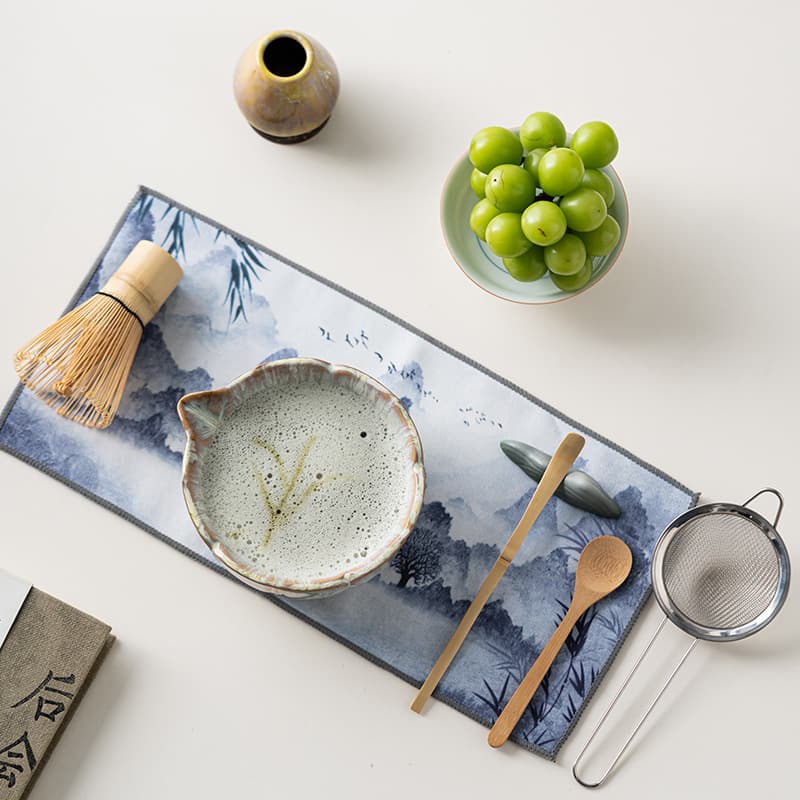
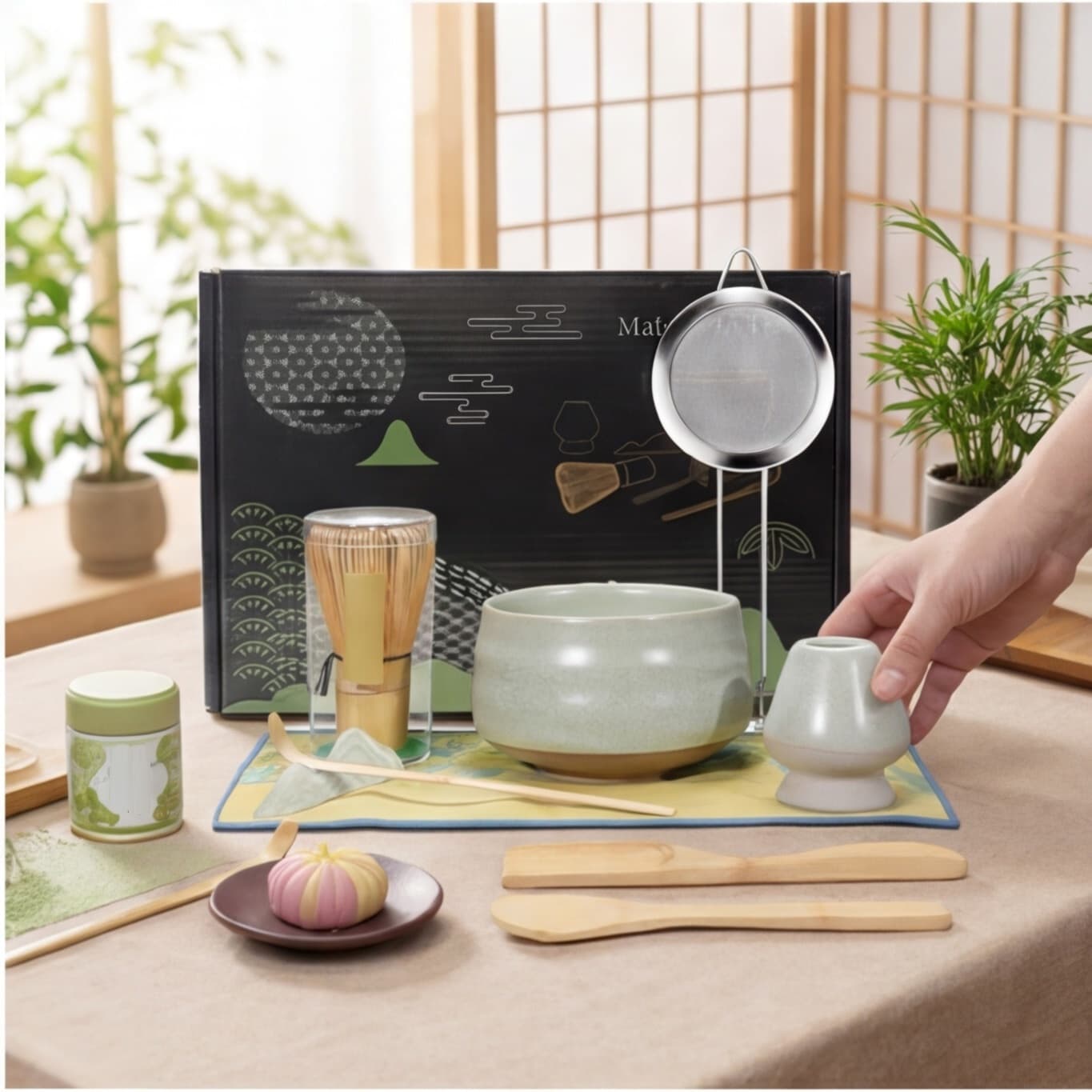
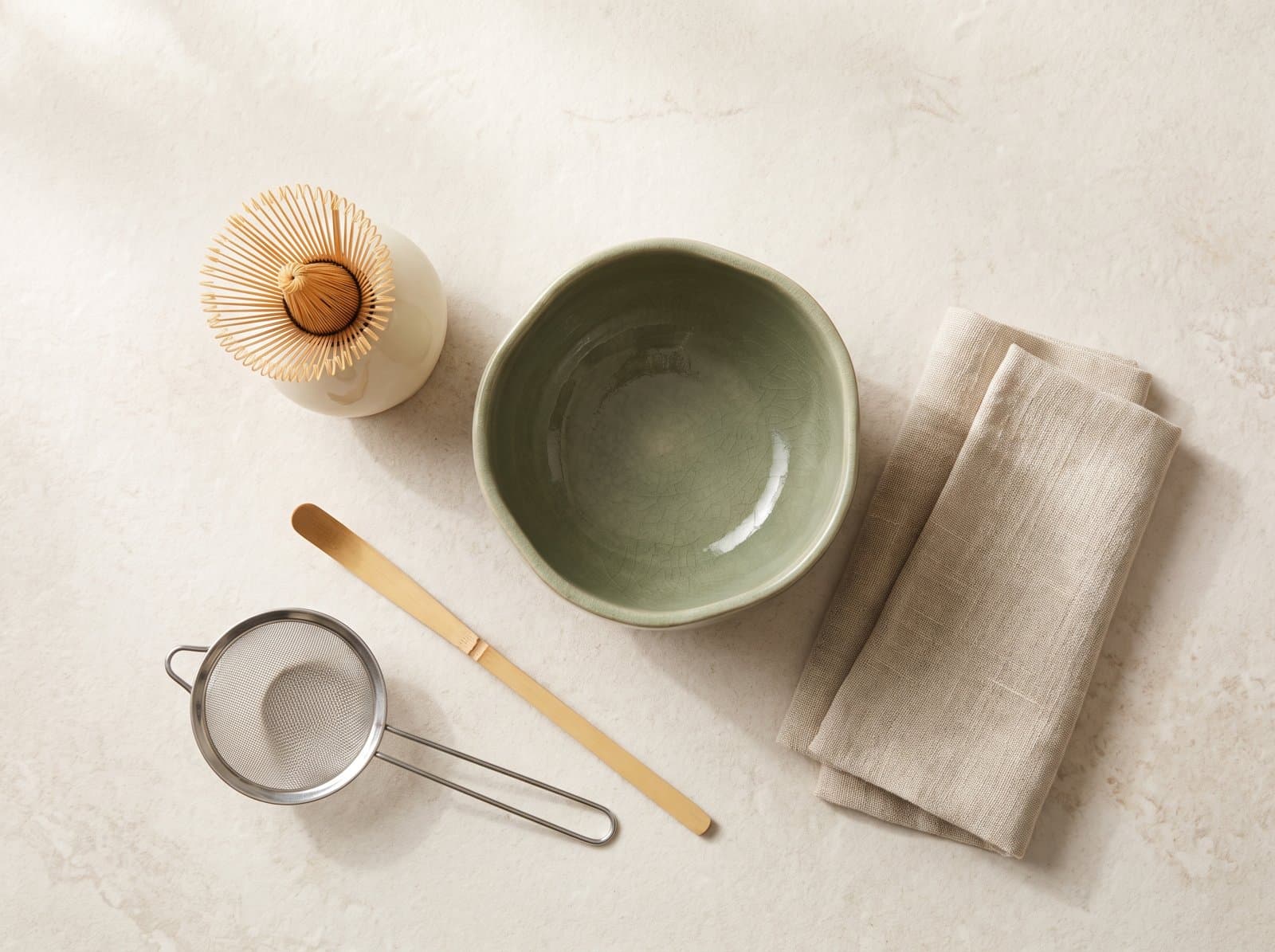
Everything the matcha ritual asks for.
Bowl, whisk, scoop, sifter, and rest — photographed exactly as they arrive.