26 October 2026 · 9 min read
Iced or Hot Matcha: Which Is Better?
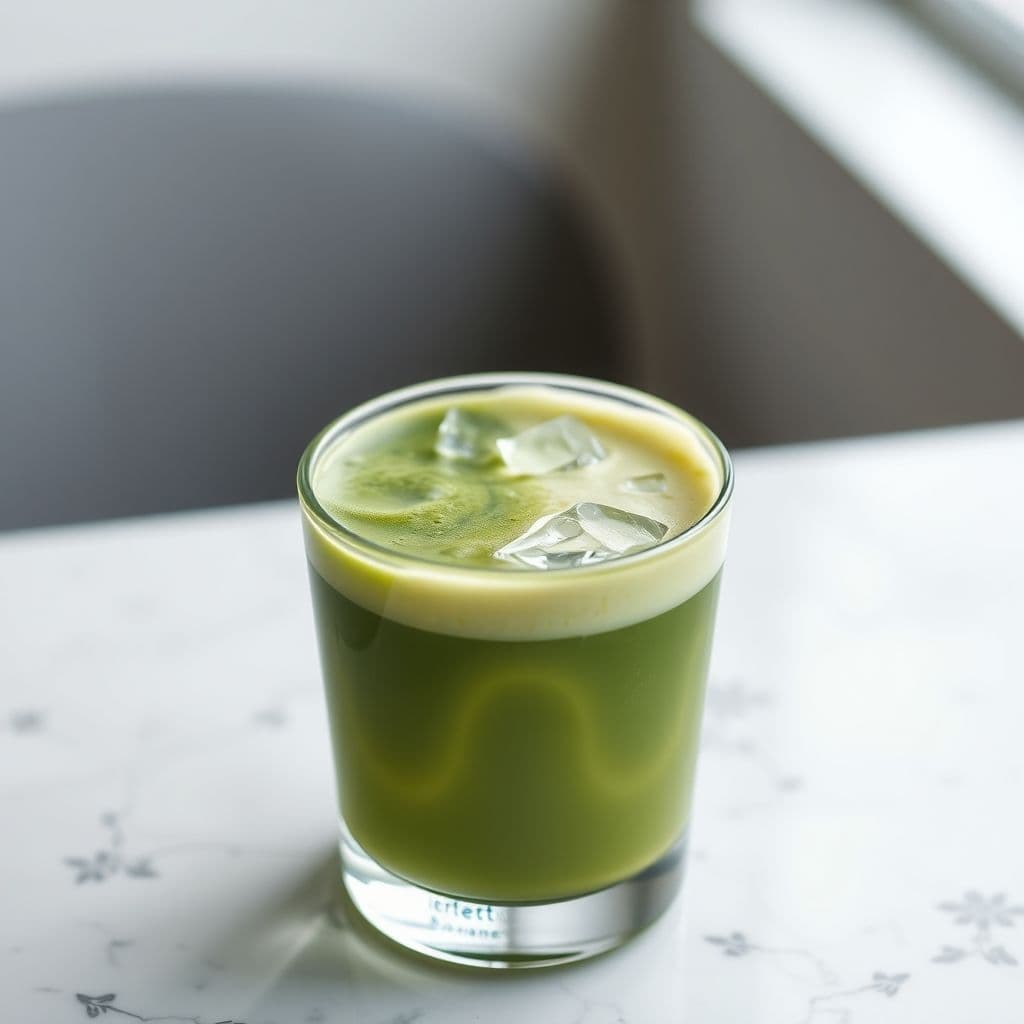
The question of whether matcha is better iced or hot depends entirely on your preference and what you seek from your drink. There is no single "better" way; each temperature offers a unique experience, altering flavor, mouthfeel, and even how you perceive its effects. Understanding these differences helps you choose the right preparation for the moment.
The Flavor Impact: How Temperature Changes Matcha's Taste
Matcha is shade-grown green tea powder, and its delicate compounds react strongly to temperature. This means your cup of matcha will taste notably different when served hot versus iced.
Hot Matcha: Unlocking Umami and Complexity
When you prepare matcha with hot water, typically between 70-80 C, you bring out its full spectrum of flavors. This temperature is crucial; never use boiling water, as it can scald the tea, leading to a harsh, bitter taste. Hot water helps to dissolve the tea particles fully, releasing the L-theanine and chlorophyll that contribute to matcha's characteristic umami (savory) notes and vibrant green color.
A hot bowl of ceremonial matcha, prepared simply with water, offers a complex profile. You might notice grassy, oceanic, or even subtly sweet undertones. The warmth enhances the aroma, which is a significant part of the tasting experience. Many find that the nuanced layers of higher-grade matcha are best appreciated in this traditional, hot preparation.
Iced Matcha: Refreshing and Milder Notes
Iced matcha, on the other hand, presents a different flavor profile. Cold temperatures tend to suppress bitterness and astringency, making the drink taste smoother and often sweeter. If you find hot matcha a little too intense, an iced version might be more palatable. The cold can also highlight brighter, fresher notes in the tea, making it incredibly refreshing.
The chilling process can mute some of the more delicate umami flavors that come forward in hot matcha. This is why many iced matcha preparations, especially lattes, incorporate milk or sweeteners. The cold temperature makes the drink easier to sip quickly, offering a crisp, invigorating experience, especially on a warm day. The texture also changes; iced matcha often feels lighter and less viscous than its hot counterpart.
Preparation Differences: Tools and Technique for Hot vs. Iced Matcha
The method you use to prepare your matcha changes significantly depending on whether you want it hot or iced. While the core idea of whisking matcha powder with water remains, the details vary.
Preparing Hot Matcha: The Traditional Way
Making hot matcha requires precision. You start by sifting your matcha powder to remove any clumps, ensuring a smooth, lump-free drink. Then, you add a small amount of hot water, around 70-80 C. Using a bamboo whisk, called a chasen, you whisk the matcha vigorously in a "W" or "M" motion until a fine, frothy layer forms on top. This process aerates the tea, creating a smooth texture and enhancing its flavor.
Tools like a traditional matcha bowl, or chawan, and a bamboo whisk are ideal for this. The wide bowl allows for proper whisking, and the whisk breaks up the powder effectively. A Vintage Bamboo Chasen is designed for this specific task. The goal is a uniform, bright green liquid with a delicate foam, consumed shortly after preparation to enjoy its warmth and freshness.
Preparing Iced Matcha: Simpler Methods and Cold Brew
Iced matcha can be prepared in a few ways, some simpler than the hot method. The most common approach is to whisk matcha with a small amount of hot (70-80 C) water first to dissolve it properly, then pour this concentrated matcha shot over ice and top with cold water or milk. This initial hot whisking step ensures the powder fully integrates, preventing a gritty texture.
For a colder, less bitter iced matcha, a "cold brew" method works well. Simply whisk matcha powder with cold water and let it sit in the refrigerator for a few hours, or even overnight. This slow infusion extracts less of the catechins that contribute to bitterness, resulting in a remarkably smooth and mild drink. You can use a shaker bottle or even a spoon for this if you do not have a whisk, though a whisk still provides the best consistency.
If you plan to make iced matcha lattes, the whisked matcha concentrate is then mixed with cold milk and ice. This makes it a forgiving preparation, as the milk and cold temperature can mask minor imperfections in whisking or water quality. A simple jar with a lid works for shaking, or a blender for a very frothy result.
Matcha's Potency: Does Temperature Alter Caffeine and L-Theanine?
Matcha is known for its unique combination of caffeine and L-theanine, which together provide a focused, calm energy without the jitters often associated with coffee. The temperature of your drink does not change the amount of these compounds present in the matcha powder itself. However, it can influence how you experience their effects.
Caffeine and L-Theanine in Hot Matcha
When you drink hot matcha, the warmth might contribute to a faster perceived absorption of its compounds. The body's metabolic processes are often more efficient with warm liquids. The L-theanine, an amino acid, promotes a state of relaxed alertness by working with caffeine. In a hot drink, this synergistic effect can feel more immediate and pronounced, offering a gentle uplift and improved focus.
The traditional ritual of preparing and slowly sipping hot matcha also plays a role. This mindful consumption can enhance the perceived calming effects of L-theanine, allowing you to settle into the experience. The warmth itself is comforting, which can contribute to a sense of well-being alongside the tea's natural properties.
Caffeine and L-Theanine in Iced Matcha
Iced matcha contains the same amount of caffeine and L-theanine as hot matcha, gram for gram. However, the cold temperature might lead to a slightly slower or more gradual release and absorption in the body. Some people report that the energy boost from iced matcha feels more sustained and less abrupt than from a hot cup.
The refreshing nature of iced matcha makes it a popular choice for an afternoon pick-me-up or a pre-workout boost. While the immediate rush might be less intense than with hot matcha, the steady release of caffeine combined with L-theanine still provides a clear-headed energy that can last for several hours. This makes iced matcha particularly suitable for sustained concentration or physical activity.
Whether hot or iced, matcha delivers its unique energy and focus benefits. Your personal sensitivity and how quickly you consume the drink will likely have a greater impact on the perceived effects than the temperature alone.
Choosing Your Matcha Powder: Best Types for Iced and Hot
Not all matcha is created equal, and some grades are better suited for specific preparations. Matching your matcha powder to your desired temperature can significantly improve your drinking experience.
Ceremonial Grade Matcha for Hot Preparations
For hot matcha, especially when consumed plain with water (usucha or koicha), ceremonial grade matcha is often the best choice. This grade is made from the youngest, finest tea leaves, harvested early in the season. It has a vibrant green color, a naturally sweet taste, and a smooth, creamy texture with minimal bitterness. These delicate qualities are best appreciated when prepared simply with hot water, allowing the complex flavors to shine.
Using a high-quality matcha for your hot drink ensures you get the full sensory experience, the rich aroma, the brilliant color, and the deep umami flavor. Products like MIRUKII's Ceremonial Matcha 100g are designed for this kind of pure enjoyment. Investing in a good ceremonial matcha for your hot preparation makes a noticeable difference in taste and overall satisfaction.
Organic Matcha and Culinary Grades for Iced Drinks and Lattes
For iced matcha, particularly if you plan to add milk, sweeteners, or other flavorings, an organic or culinary grade matcha can be an excellent and more economical choice. These grades are typically made from slightly older leaves or later harvests, which can result in a more robust, sometimes slightly more astringent flavor profile. This stronger taste stands up well to the dilution of ice and the richness of milk.
Organic matcha, such as MIRUKII's Organic Matcha Powder 250g, is a versatile option. Its bolder flavor ensures that the matcha taste isn't lost when mixed with other ingredients. While ceremonial grade can certainly be used for iced lattes, it is often considered an extravagance since its subtle nuances might be masked by the cold and milk. For daily iced lattes or blended drinks, a good quality organic or culinary matcha provides excellent color and flavor without the higher price tag of ceremonial grade.
Seasonal Enjoyment and Common Mistakes
The choice between hot and iced matcha often comes down to the season, your mood, and the environment. However, regardless of your preference, avoiding common mistakes will ensure a better cup.
Seasonal Choices
In colder months, a hot bowl of matcha offers comforting warmth and a grounding ritual. It can be a perfect start to a chilly morning or a soothing afternoon beverage. The warmth seems to amplify the L-theanine's calming effects, making it ideal for quiet moments.
During warmer weather, iced matcha becomes a natural choice. Its refreshing qualities are perfect for cooling down and rehydrating. An iced matcha latte can be a delightful treat on a hot day, offering a cool burst of energy. Many people find iced matcha more suitable for on-the-go consumption or as a pre-exercise drink due to its invigorating nature.
Common Mistakes to Avoid
Whether you prefer your matcha hot or iced, certain errors can ruin the experience:
- Using boiling water: For hot matcha, this is the most frequent mistake. Water that is too hot (above 80 C) will burn the tea, resulting in a bitter, unpleasant taste. Stick to 70-80 C.
- Not sifting the matcha: Lumps of matcha powder are hard to whisk away and create a gritty texture. Always sift your powder, especially for hot preparations where smoothness is key.
- Insufficient whisking: Whether hot or iced, proper whisking ensures the matcha is fully dissolved and creates a pleasant texture. For hot matcha, aim for a frothy layer. For iced, ensure no clumps remain. If you don't have a whisk, use a small bottle to shake vigorously.
- Using too much or too little powder: Follow recommended ratios (typically 1-2 grams of matcha per 60-120 ml of water) and adjust to your taste. Too much can be overwhelmingly bitter; too little can be weak and watery.
- Letting it sit too long: Matcha is best consumed fresh. Its vibrant color and delicate flavors can degrade if left to sit for extended periods, especially hot matcha.
- Adding ice to hot whisked matcha too quickly: For iced matcha, whisk your concentrate with a small amount of *hot* water first, then let it cool slightly or add a small amount of cold water before pouring over ice. Adding ice directly to very hot liquid can shock the tea and impact the flavor.
By understanding the nuances of temperature and preparation, you can tailor your matcha experience to your liking. Experiment with both hot and iced methods, different grades of matcha, and various flavor additions to discover your ideal cup. MIRUKII offers a range of tools and matcha powders to support your journey, whether you prefer your matcha steaming hot or refreshingly cold.
Common questions
Does iced matcha taste different from hot matcha?+
Yes, temperature significantly changes how you perceive matcha's flavor. Hot matcha often highlights its umami and subtle complexities, while iced matcha can mute bitterness and bring forward a refreshing, sometimes sweeter, profile.
Is hot matcha healthier than iced matcha?+
The core components like caffeine and L-theanine are present regardless of temperature. Some believe hot liquids aid absorption, but the overall nutritional value remains consistent. Focus on preparation technique, not temperature, for quality.
Can I use any matcha for both hot and iced drinks?+
While possible, certain matcha grades excel in different preparations. Higher quality ceremonial matcha is often preferred for hot, plain matcha to appreciate its delicate notes. More robust organic matcha can stand up better to milk and ice.
What is the ideal water temperature for hot matcha?+
For hot matcha, use water between 70-80 C. Never use boiling water, as it can burn the delicate tea leaves, leading to a bitter taste.
More matcha guides
The matcha tools for this ritual
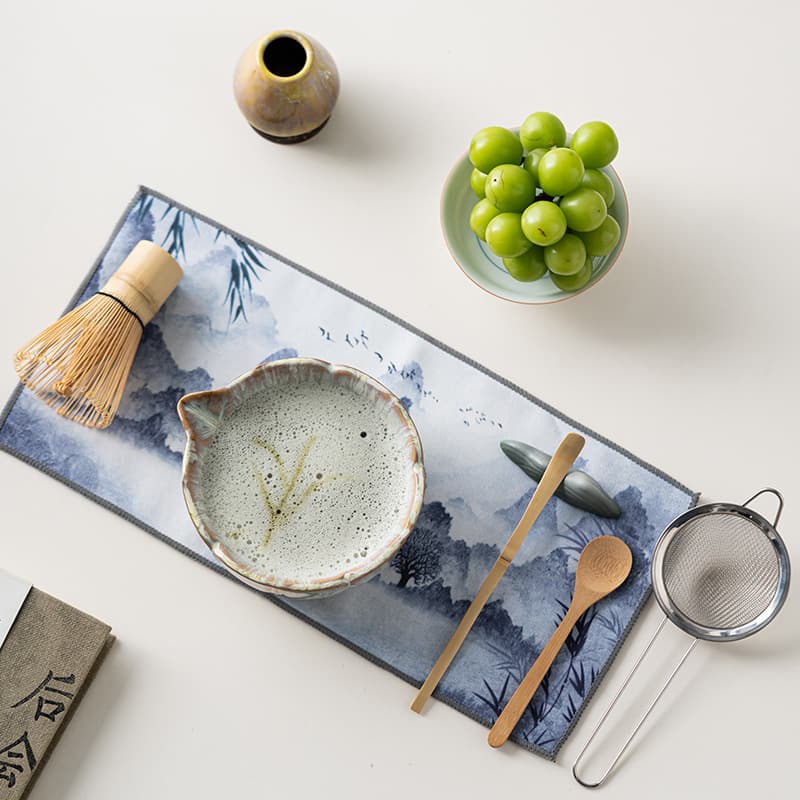
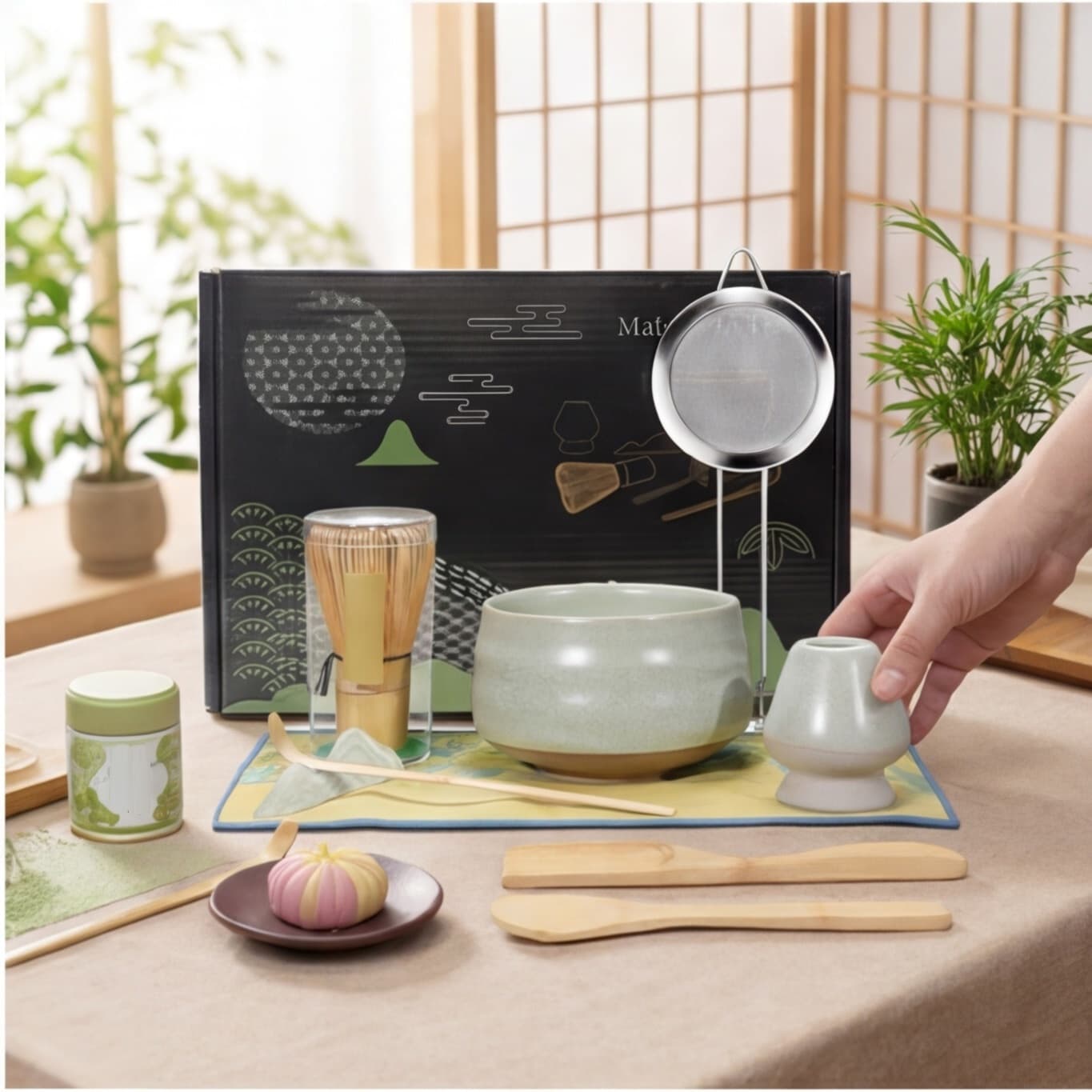
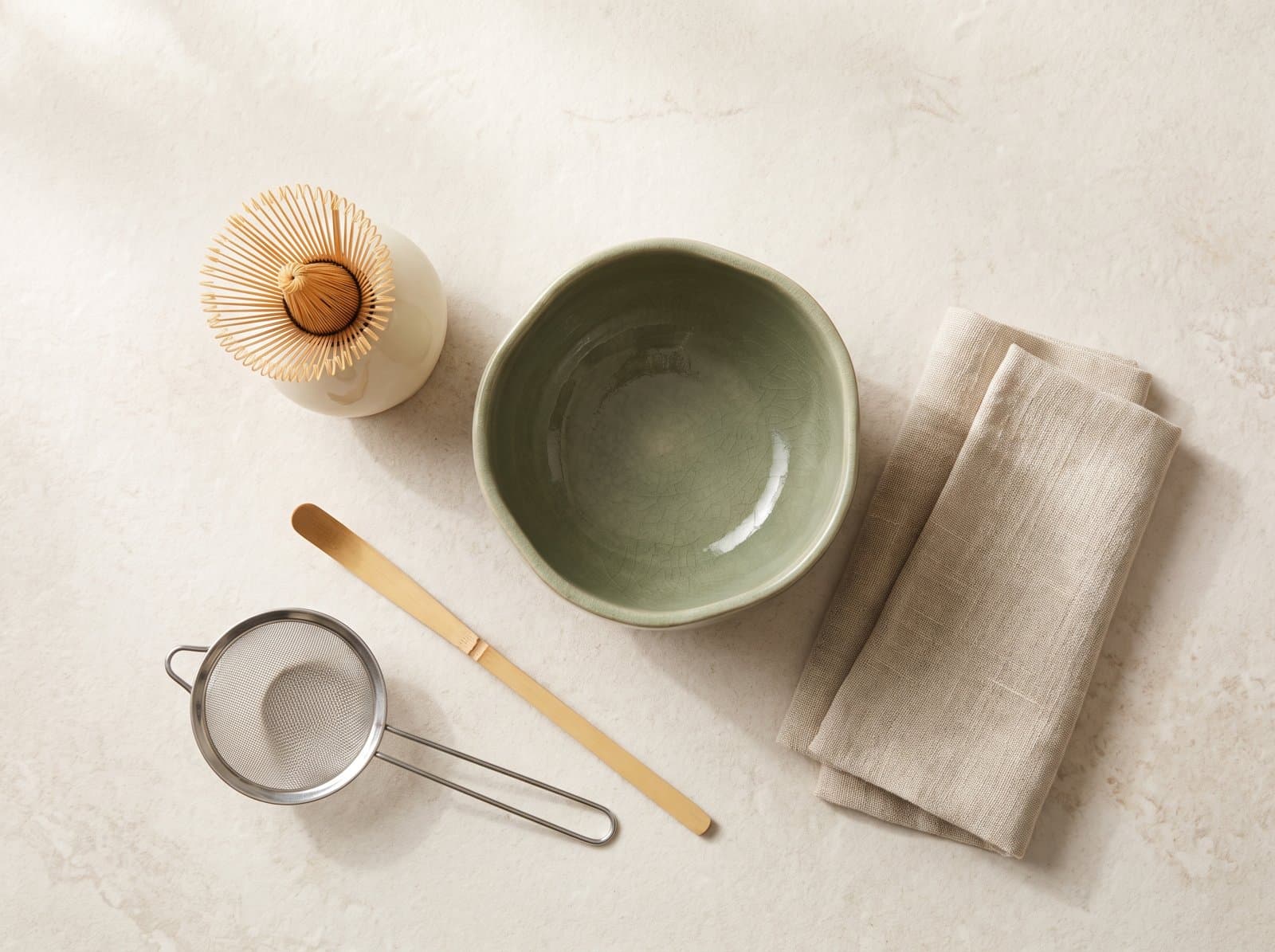
Everything the matcha ritual asks for.
Bowl, whisk, scoop, sifter, and rest — photographed exactly as they arrive.