30 October 2026 · 4 min read
Does All Matcha Taste the Same? Find Out Why
The short answer
No, not all matcha tastes the same. The powder can be sweet, grassy, bitter, or a mix of those notes. What you experience depends on several factors that go beyond the colour of the tea.
What makes matcha flavor distinct?
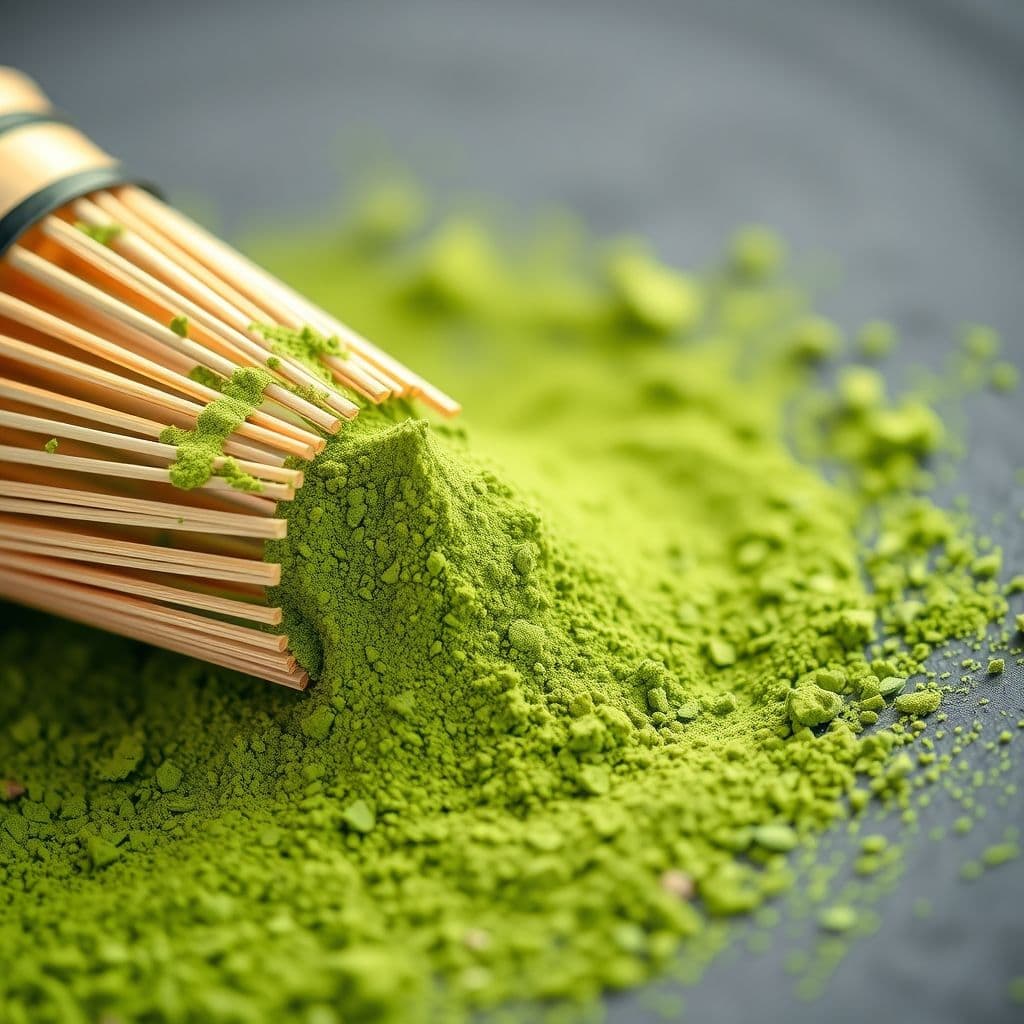
Matcha begins as shade‑grown green tea leaves. The shade encourages chlorophyll, which gives the powder its vivid hue. It also boosts amino acids, the compounds that create a gentle, umami‑rich mouthfeel.
After harvest the leaves are steamed, dried, and stone‑milled. Each step nudges the balance of sugars, bitterness, and vegetal tones. A longer steaming time can soften bitterness. A finer grind feels smoother on the tongue, less gritty.
Even subtle differences in how the leaves are handled can shift the flavor profile. That is why two batches from the same farm may not taste identical.
Grade matters: ceremonial vs culinary
Matcha is sold in two broad grades. Ceremonial grade is intended for drinking plain, whisked with water. It is usually brighter in colour and milder in flavour. Culinary grade is meant for recipes, so it tolerates milk, sugar, or other strong ingredients. It often has a deeper, more astringent profile.
If you want a powder that tastes sweet without added sugar, look for a ceremonial option. Ceremonial Matcha 100g is a typical example. It costs more, but the flavour is smoother and less bitter.
For smoothies, baked goods, or lattes, a culinary powder works well. It brings a robust green note that can stand up to other flavours. The price difference reflects the intended use, not a universal quality judgment.
Where the tea is grown and how it's processed
Region influences taste. Japanese matcha from Uji or Nishio often has a delicate sweetness, while matcha from other Japanese regions may taste greener and more vegetal. The soil composition, climate, and altitude all leave a trace on the final powder.
Organic certification does not guarantee a particular flavour, but it does mean the leaves were grown without synthetic pesticides. Organic Matcha Powder 250g offers a clean flavour that some drinkers prefer for its natural profile.
Even within a single farm, the first harvest, known as "first flush", is usually sweeter than later harvests. The timing of the harvest is rarely listed on packaging, but experienced buyers learn to recognise the subtle shift.
How preparation changes the taste
Water temperature is the biggest lever you have at home. Use water that is about seventy‑eighty °C, roughly warm to the touch, not boiling. Hotter water extracts more tannins, which increase bitterness. Cooler water lets the natural sugars shine.
The amount of powder matters too. A teaspoon of matcha in a small cup yields a gentle flavour. Doubling the amount will make the drink stronger and can expose any underlying bitterness.
The whisking technique also matters. A vigorous, frothy whisk incorporates air, creating a light texture that feels sweeter. A gentle stir leaves the powder more settled, which can feel denser and more astringent.
Water quality can be a silent player. Soft water tends to highlight sweetness, while very hard water can accentuate astringency. If your tap water is hard, a brief filter can improve the cup.
Choosing a good matcha without overspending
If budget is a concern, start with a mid‑range product and adjust your preparation. A slightly cooler water temperature and a bit more whisking can soften a harsher powder.
Consider buying a starter set that includes a bowl and whisk. The Ceramic Bowl & Whisk Duo provides the tools you need without a large upfront cost.
When you are ready to upgrade, compare the price per gram. A higher price does not always equal a better taste for your palate, but it often signals a finer grind and a younger leaf, both of which improve flavour.
Finally, store your matcha properly. Keep it in a sealed container away from light and heat. This preserves the colour and prevents the delicate flavours from degrading.
Tips for tasting and refining your brew
Take a moment to smell the powder before you whisk. A fresh, grassy aroma hints at quality. After whisking, pause and let the foam settle; the first sip should feel smooth, not sand‑like.
If the cup feels too bitter, try adding a touch more water or lowering the temperature slightly. If it feels flat, a tiny pinch of sweetener or a dash of milk can unlock hidden umami.
Experiment with different bowls. A deeper bowl can help you create a richer foam, while a shallow one makes it easier to control the whisking motion.
Summary of key points
Matcha flavour varies with grade, origin, processing, and preparation. Ceremonial grades are generally sweeter and smoother. Culinary grades are stronger and work well in recipes. Water temperature, amount of powder, whisking style, and water quality can turn a bitter cup into a pleasant one. You can find a good tasting matcha at different price points if you pay attention to these factors.
Common questions
Do all matcha powders taste the same?+
No. Flavor shifts with grade, origin, and how you brew it.
Is ceremonial matcha always sweeter than culinary?+
Generally, ceremonial grades are milder and sweeter, while culinary grades have a stronger, earthier bite.
Can water temperature change the taste?+
Yes. Cooler water highlights sweetness; hotter water brings out bitterness.
Do cheaper matcha powders lack flavor?+
Not always. Some budget options still deliver a pleasant taste if you manage preparation carefully.
More matcha guides
The matcha tools for this ritual
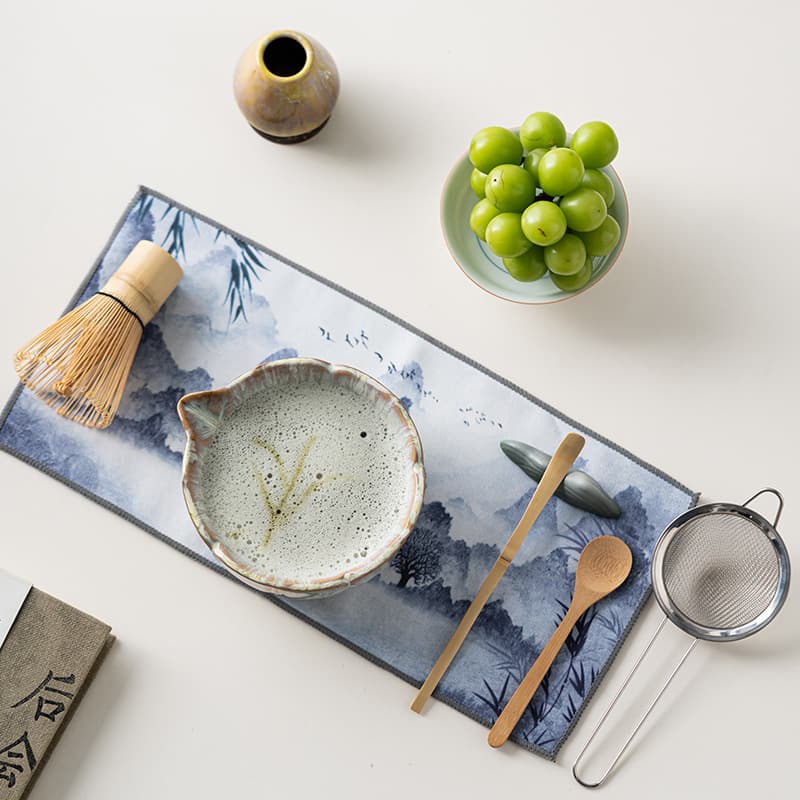
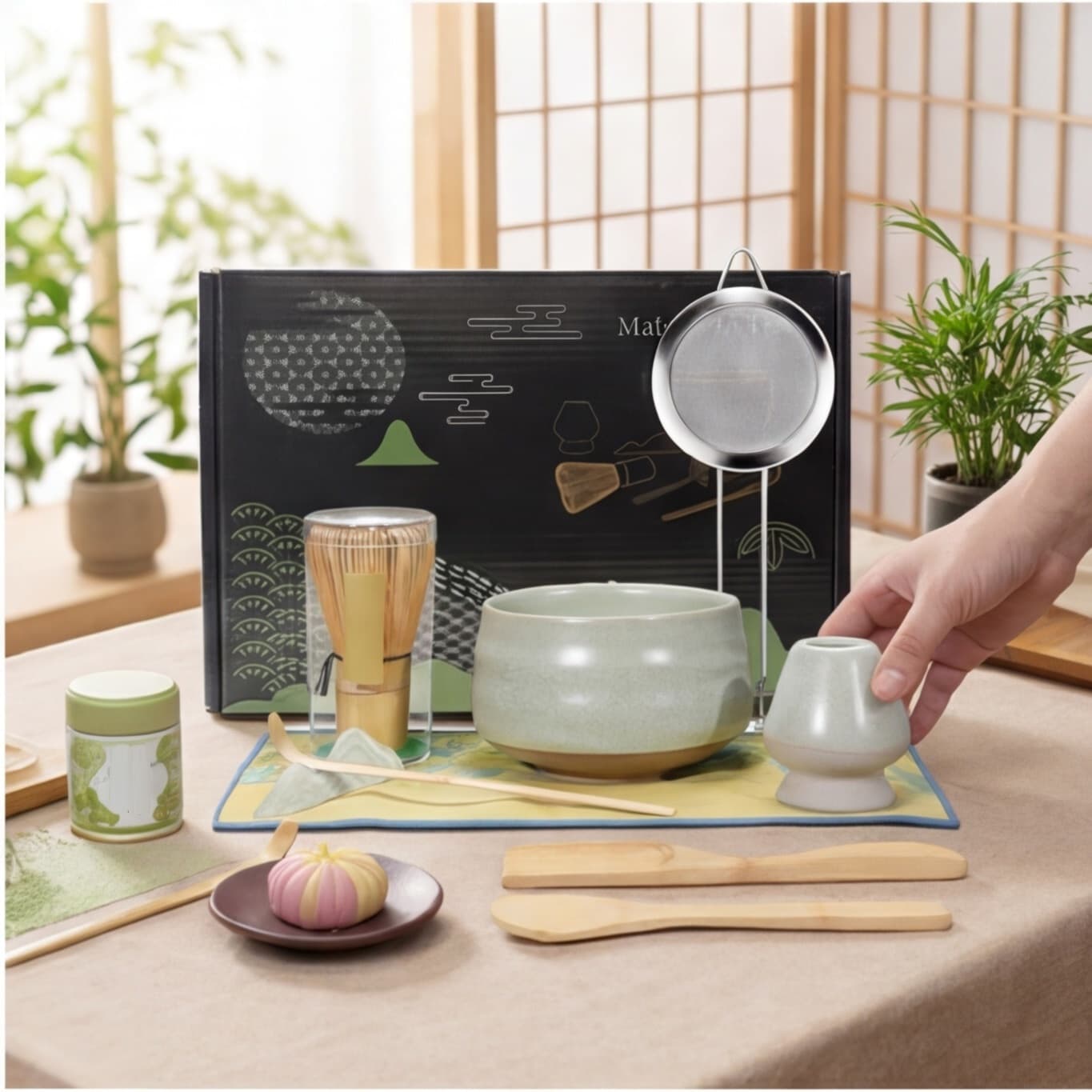
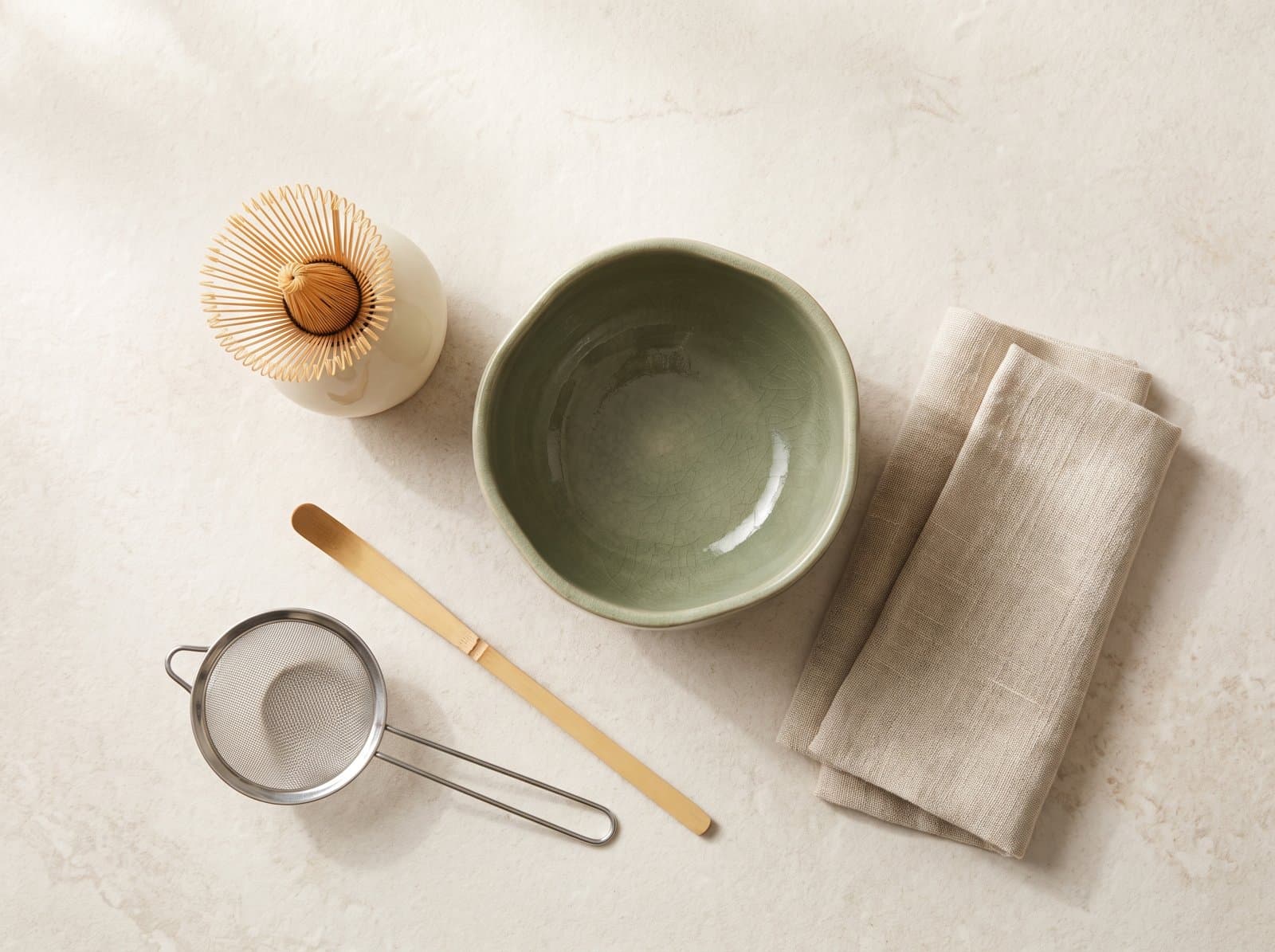
Everything the matcha ritual asks for.
Bowl, whisk, scoop, sifter, and rest — photographed exactly as they arrive.