28 October 2026 · 9 min read
Best Cold Matcha Recipe: Your Guide to Iced Matcha
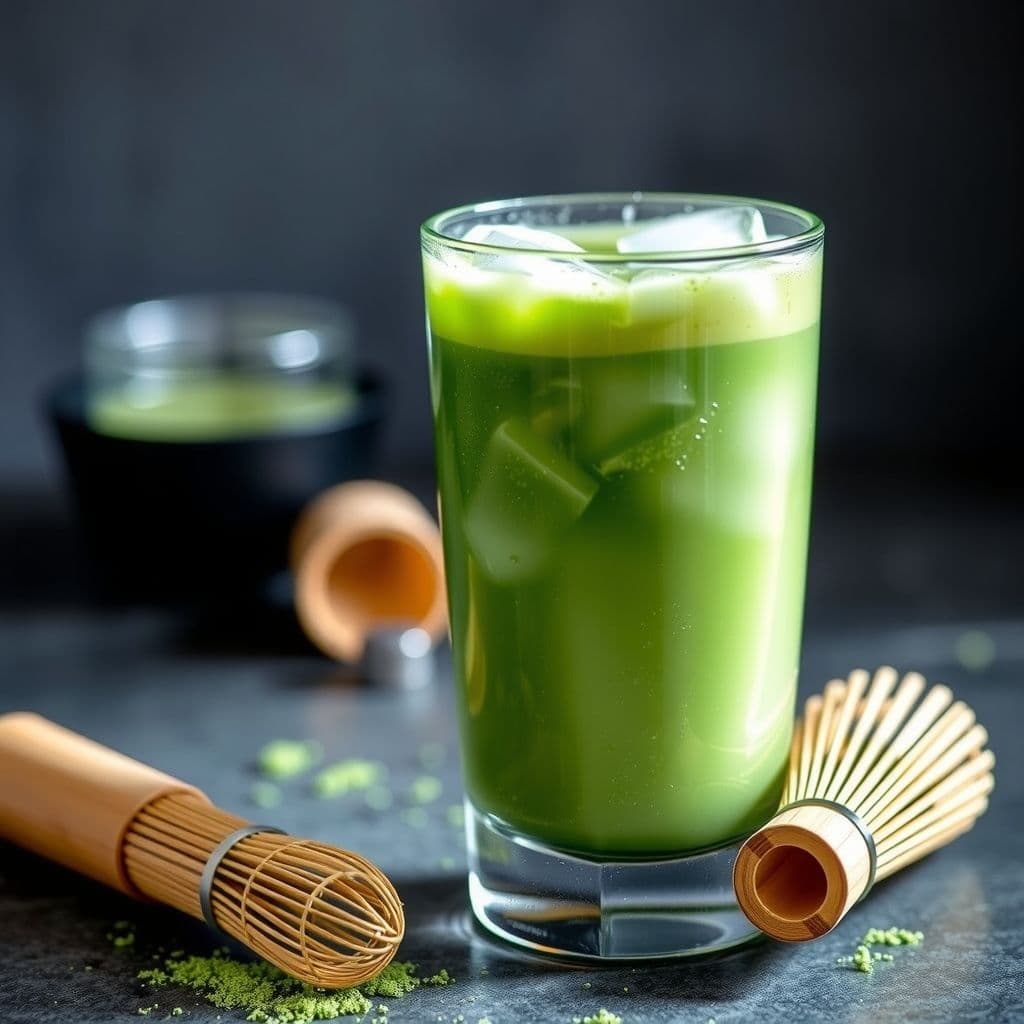
How to Make the Best Iced Matcha
The best cold matcha recipe begins with a hot whisk. Even for an iced drink, using hot water first is the secret to a smooth, clump‑free matcha with optimal flavor. This technique fully dissolves the matcha powder before it is chilled, preventing a gritty texture and ensuring a vibrant taste.
Ingredients for a Single Serving
- 1‑2 grams (about half a teaspoon) of matcha powder
- 60 ml of hot water (70‑80 C)
- 180‑240 ml of cold water or milk (dairy or plant‑based)
- Ice cubes
- Optional: Sweetener (simple syrup, honey, maple syrup) to taste
Step-by-Step Method
- Sift the Matcha: Place 1‑2 grams of matcha powder into a fine mesh sifter directly over your matcha bowl. Gently tap the sifter to push the matcha through. This step is critical for preventing clumps.
- Add Hot Water: Pour 60 ml of hot water, heated to 70‑80 C, into the bowl with the sifted matcha. Do not use boiling water, as it can burn the delicate matcha and make it bitter.
- Whisk Thoroughly: Using a bamboo whisk, whisk the matcha and hot water vigorously in a "W" or "M" motion. Aim for a smooth, vibrant green liquid with a fine foam on top. This should take about 30‑60 seconds. The goal is to fully dissolve the matcha and create a uniform suspension.
- Add Sweetener (Optional): If you prefer sweetened matcha, add your chosen sweetener to the hot matcha concentrate now and stir to dissolve.
- Prepare Your Serving Glass: Fill a tall glass with ice cubes.
- Pour and Dilute: Pour the whisked matcha concentrate over the ice. Then, add 180‑240 ml of cold water or milk. If using milk, you can pour it gently over the back of a spoon to create a layered effect.
- Serve Immediately: Stir lightly and enjoy your refreshing cold matcha.
Choosing the Right Matcha for Cold Drinks
The quality of your matcha significantly impacts the taste of your cold drink. Not all matcha is created equal, and understanding the differences helps you choose the best option for your budget and preference.
Ceremonial Grade Matcha
Ceremonial Matcha 100g is the highest grade of matcha. It comes from the youngest tea leaves, shade‑grown for longer, resulting in a vibrant green color, a naturally sweet umami flavor, and a smooth, delicate texture. This grade is best enjoyed on its own, with just water, to appreciate its nuanced flavor profile. For a pure iced matcha, without milk or excessive sweeteners, ceremonial grade offers the best experience.
- Pros: Superior flavor, bright color, smooth texture, less astringency.
- Cons: Generally more expensive per gram.
- Best for: Pure iced matcha, where the tea's flavor is the star.
Organic or Culinary Grade Matcha
While often labeled "culinary," many high‑quality organic matchas, like Organic Matcha Powder 250g, are excellent for daily consumption, especially in lattes and mixed drinks. These grades are typically made from slightly older leaves or a different blend, which gives them a more robust, sometimes slightly bolder, flavor that stands up well to milk and other ingredients.
- Pros: More robust flavor, often more cost‑effective per gram for regular use, holds its own in lattes.
- Cons: May have a slightly less vibrant green color or a hint more bitterness if prepared purely with water.
- Best for: Iced matcha lattes, smoothies, or when you plan to add sweeteners and other flavors. At USD 59.95 for 250 grams, it offers good value for everyday latte drinkers.
For a pure cold matcha, invest in a ceremonial grade. For a daily iced latte habit, an organic or higher‑quality culinary grade is a practical and delicious choice.
Essential Tools for Perfect Cold Matcha
While you can technically make matcha with just a spoon, the right tools improve your cold matcha experience from good to excellent. They ensure proper whisking, prevent clumps, and create that desirable frothy texture.
The Bamboo Whisk (Chasen)
The Vintage Bamboo Chasen is the most important tool for making matcha. Its fine bamboo tines are specifically designed to break down matcha powder into a smooth suspension and create a beautiful foam. No other tool truly replicates its effectiveness.
- Why it's essential: Prevents clumps, creates foam, extracts optimal flavor.
- Simpler option: A small electric frother can work in a pinch for lattes, but it won't give the same traditional texture or fully dissolve the matcha as well as a chasen.
The Matcha Bowl (Chawan)
A wide, shallow matcha bowl, or chawan, provides ample space for effective whisking. The broad base allows you to move the whisk freely and vigorously, which is key to achieving a smooth, frothy matcha.
- Consider: The Spouted Matcha Bowl is practical for cold matcha. Its spout makes pouring the whisked concentrate over ice or into another glass clean and easy, minimizing spills.
- Simpler option: Any wide, shallow bowl will suffice, but be careful when transferring the liquid.
Matcha Sifter
A fine mesh sifter is an inexpensive but invaluable tool. Matcha powder is very fine and prone to clumping due to static electricity. Sifting ensures a silky‑smooth drink without gritty bits.
- Why it's essential: Eliminates clumps before whisking, leading to a smoother texture.
Whisk Stand (Kusenaoshi)
A Ceramic Whisk Stand helps maintain the shape of your bamboo whisk's tines after use. It allows the whisk to air dry properly, preventing mold and prolonging its life. This is a small investment that protects your primary matcha tool.
- Why it's beneficial: Preserves whisk shape, promotes hygiene, extends whisk lifespan.
Matcha Sets for Convenience
If you're starting fresh, consider a set. The Nine‑Piece Matcha Set at USD 39.95 or The Bamboo Preparation Set at USD 54.95 offer excellent value. They bundle essential tools like a whisk, bowl, sifter, and scoop, ensuring you have everything needed for a complete matcha experience.
Sweetening and Customising Your Cold Matcha
Cold matcha is incredibly versatile. Once you have your perfectly whisked matcha concentrate, you can adapt it to suit your taste. Whether you prefer a pure, unsweetened drink or a creamy, sweet latte, the base remains the same.
Sweeteners
Matcha has a natural sweetness, especially ceremonial grades. However, many enjoy a touch of sweetness in their cold matcha or latte. Add sweeteners to the hot matcha concentrate after whisking, as it dissolves better in warm liquid.
- Simple Syrup: Easy to make at home (equal parts sugar and water, heated until dissolved). It blends smoothly into cold drinks.
- Honey: Adds a distinct flavor note.
- Maple Syrup: Offers a rich, earthy sweetness.
- Agave Nectar: A neutral‑tasting option that dissolves well.
Start with a small amount and adjust to your preference. Remember, the goal is to enhance, not overpower, the matcha's unique flavor.
Milk Options for Iced Matcha Lattes
Adding milk transforms your cold matcha into a creamy, satisfying latte. Experiment with different types to find your favorite pairing.
- Dairy Milk: Whole milk provides a rich, classic latte experience. Low‑fat milk offers a lighter alternative.
- Oat Milk: A popular plant‑based choice, oat milk has a naturally creamy texture and slightly sweet flavor that complements matcha well.
- Almond Milk: A lighter, often nuttier option. Choose unsweetened varieties to control the overall sweetness.
- Soy Milk: Offers a good balance of creaminess and flavor.
- Coconut Milk: For a tropical twist, full‑fat coconut milk can add a distinct richness.
To make an iced matcha latte, follow the basic recipe, but instead of cold water, use your preferred cold milk in step 6. You can gently stir it in or layer it for an appealing visual effect.
Flavor Variations
Beyond basic sweetness and milk, consider these additions for a unique cold matcha experience:
- Citrus: A squeeze of fresh lemon or lime juice can add a bright, refreshing zing to pure iced matcha.
- Mint: Muddle a few fresh mint leaves in your serving glass before adding ice and matcha for a cooling sensation.
- Spices: A pinch of cinnamon, cardamom, or even a tiny dash of vanilla extract can add warmth and complexity to an iced matcha latte.
- Fruit: Blend your matcha concentrate with a handful of berries or a slice of mango for a matcha smoothie.
Troubleshooting Common Cold Matcha Problems
Even with the best intentions, you might encounter issues when making cold matcha. Here are common problems and how to fix them, ensuring your drink is consistently delicious.
Clumpy Matcha
Your matcha has undissolved lumps, resulting in a gritty texture and uneven flavor.
- Sift, sift, sift: Always sift your matcha powder before adding water. This breaks up any static‑clung clumps.
- Use hot water first: Even for a cold drink, start with 60 ml of hot water (70‑80 C). The heat helps the matcha dissolve more effectively.
- Whisk vigorously: Use your bamboo whisk in a fast "W" or "M" motion, ensuring you scrape the bottom and sides of the bowl. Whisk until no visible clumps remain and a fine foam appears.
Bitter Taste
Your cold matcha tastes astringent or unpleasantly bitter.
- Check water temperature: Never use boiling water. Water hotter than 80 C can burn the matcha, releasing bitter compounds. Stick to the 70‑80 C range.
- Matcha quality: Lower‑grade matcha can naturally be more bitter. Investing in a good quality Ceremonial Matcha 100g or a high‑quality organic option like Organic Matcha Powder 250g can make a significant difference.
- Whisking technique: Insufficient whisking can leave concentrated pockets of bitterness. Ensure the matcha is fully dissolved.
Weak or Bland Flavor
Your cold matcha lacks depth and tastes diluted.
- Increase matcha quantity: If using 1 gram, try 2 grams. Some prefer a stronger concentration, especially when adding milk.
- Reduce liquid: If adding too much cold water or milk, the flavor will be diluted. Adjust the ratio to your liking. Start with less liquid and add more if needed.
- Whisk properly: A well‑whisked matcha extracts the most flavor. Ensure you're creating a smooth, frothy concentrate before adding cold components.
Lack of Foam
Your matcha concentrate doesn't have the desired frothy layer.
- Whisk vigorously: Use a rapid "W" or "M" motion, bringing the whisk tines to the surface of the liquid to incorporate air.
- Use a bamboo whisk: This tool is designed to create foam. Other whisks are less effective.
- Water quality: Softer water can sometimes produce more foam.
Why Choose Cold Matcha?
Cold matcha is more than just a refreshing drink; it offers several appealing benefits, especially for those seeking an alternative to coffee or a different way to enjoy green tea.
- Refreshing on Warm Days: On a hot afternoon, a cold matcha is a wonderfully cooling and hydrating beverage. It provides a crisp alternative to hot drinks.
- Sustained Energy: Matcha contains both caffeine and L‑theanine. The L‑theanine helps to slow the absorption of caffeine, resulting in a more sustained and calm alertness, without the jitters or crash often associated with coffee. This makes it an excellent choice for a focused start to your day or an afternoon pick‑me‑up.
- Versatility: As shown, cold matcha can be customized extensively. Whether you prefer a simple iced tea, a creamy latte, or a fruity blend, matcha adapts beautifully to various flavors and ingredients.
- Ease of Preparation: Once you master the whisking technique, making cold matcha at home is quick and straightforward. It's a faster alternative to brewing other types of tea or coffee, especially if you have your tools ready.
Embracing cold matcha opens up a world of delightful and invigorating drink possibilities, all starting with a properly prepared, concentrated matcha base.
Common questions
Can I make cold matcha without a whisk?+
You can use a small bottle or shaker to mix matcha and water, but a bamboo whisk creates the smoothest, frothiest result by breaking down clumps effectively.
What temperature water should I use for cold matcha?+
Even for cold matcha, start with hot water between 70-80 C to properly dissolve the powder and prevent clumps, then add cold water or ice.
Why does my cold matcha taste bitter?+
Bitterness often comes from using water that is too hot (above 80 C), using low-quality matcha, or not whisking the matcha thoroughly enough to dissolve it.
What is the best type of matcha for an iced latte?+
For iced lattes, <a href="/product/organic-matcha-250g">Organic Matcha Powder 250g</a> is a good choice. Its robust flavor stands up well to milk, and it offers better value per gram for daily use compared to ceremonial grades.
More matcha guides
The matcha tools for this ritual
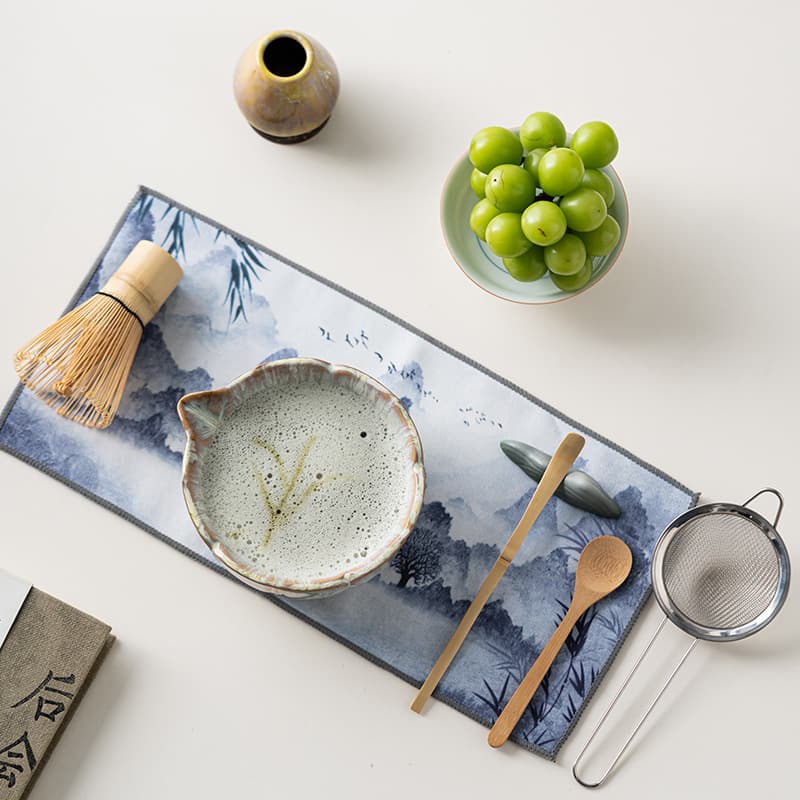
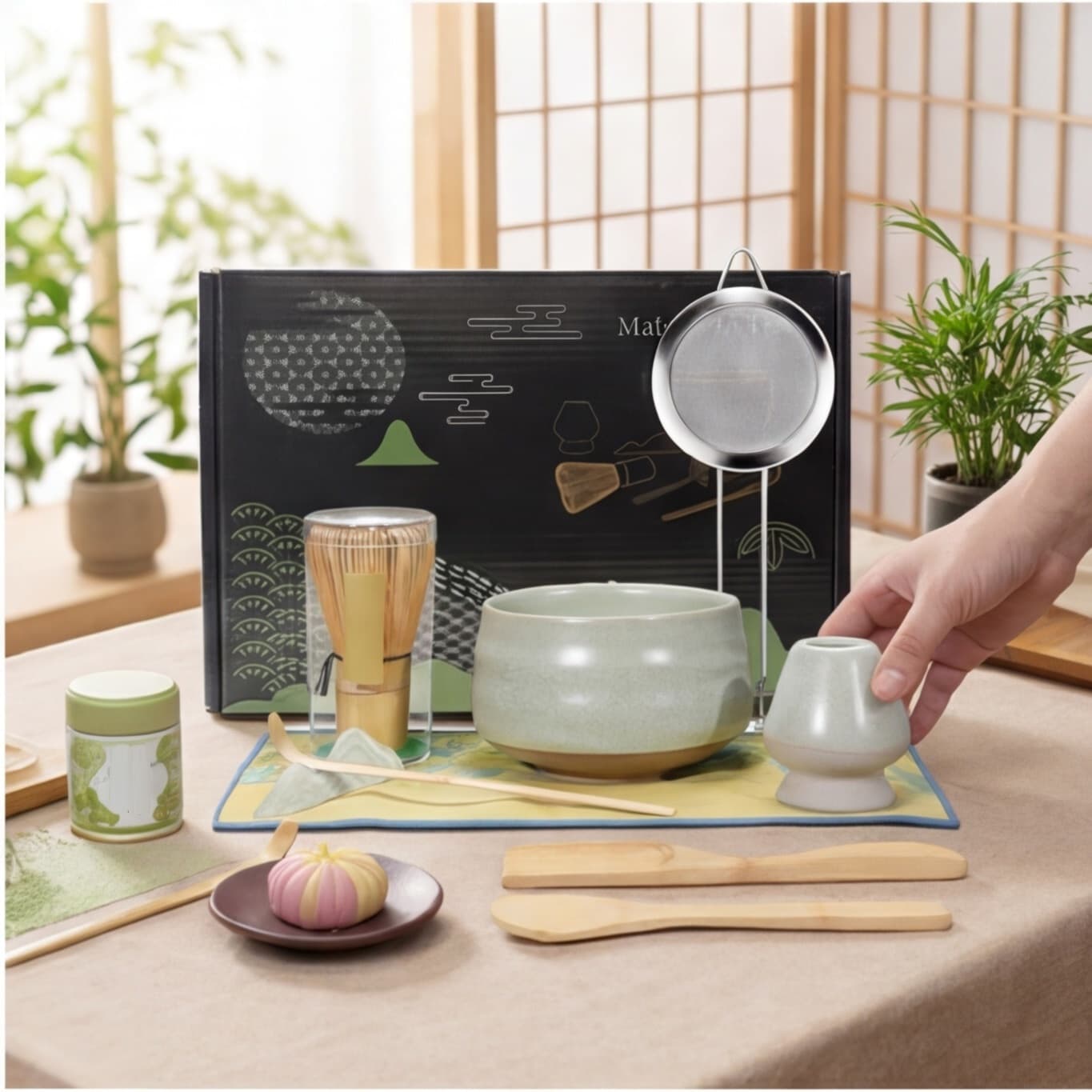
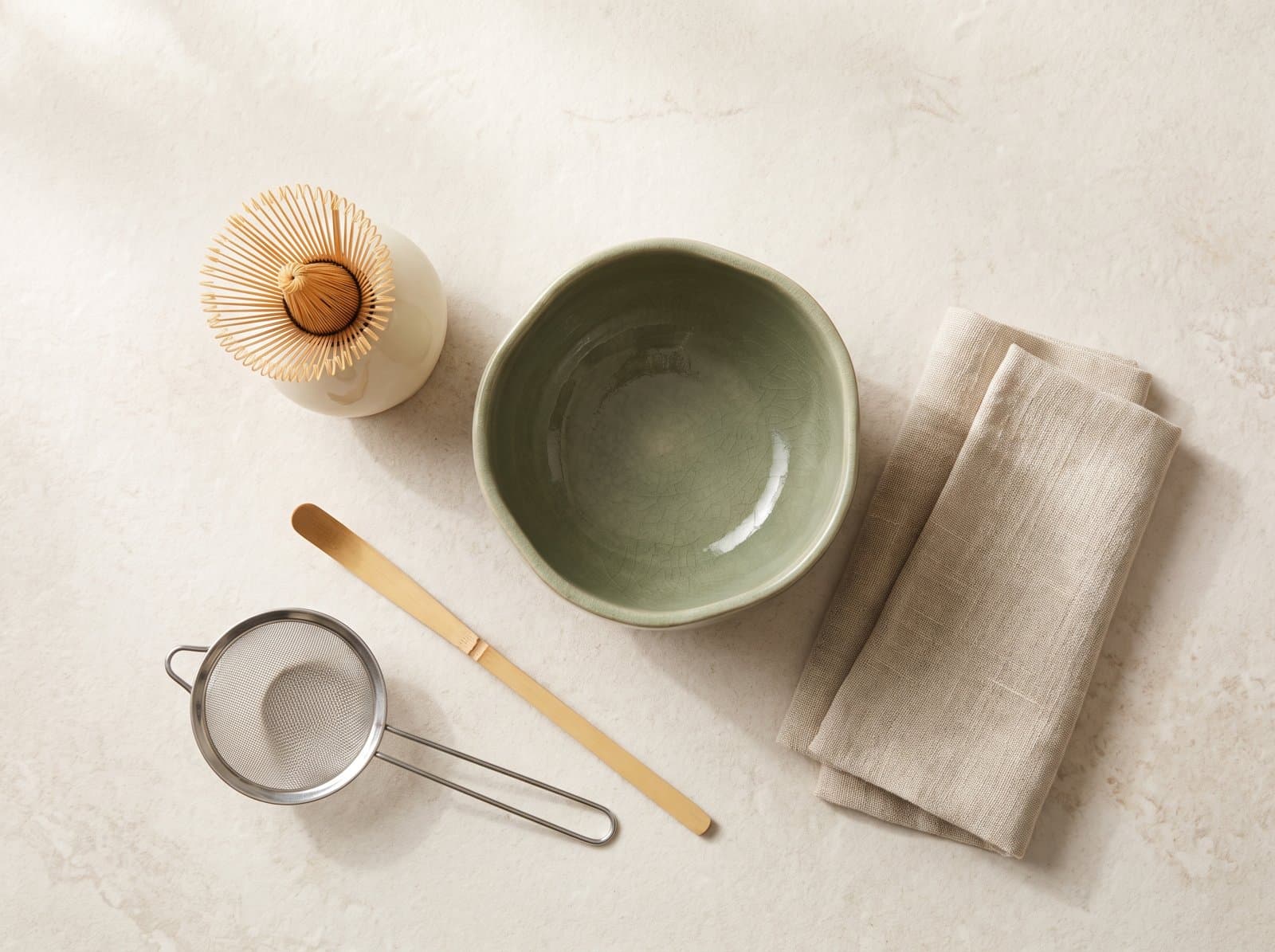
Everything the matcha ritual asks for.
Bowl, whisk, scoop, sifter, and rest — photographed exactly as they arrive.